
The “delivery day” period came to an end in 2025 when India’s retail scene saw a radical change, with the lines between scheduled purchasing and rapid satisfaction being blurred by the massive convergence of conventional e-commerce and fast commerce.
10 minute delivery: Transforming Retail
What started out as a test run to deliver groceries in 10 minutes has developed into a multibillion-dollar infrastructure project that now transports anything in minutes, including white goods and expensive gadgets.
In only one year, the Indian consumer’s query has irrevocably changed from “will it arrive?” to “how many minutes till it does?” The numbers show that the sector is in hyperdrive as the year comes to an end.
Rapid Commerce Growth
With 33 million monthly users in 150 cities, rapid commerce has emerged as India’s fastest-growing retail model, according to a year-end research by RedSeer Strategy Consultants. It will account for 10% of branded retail sales by 2030.
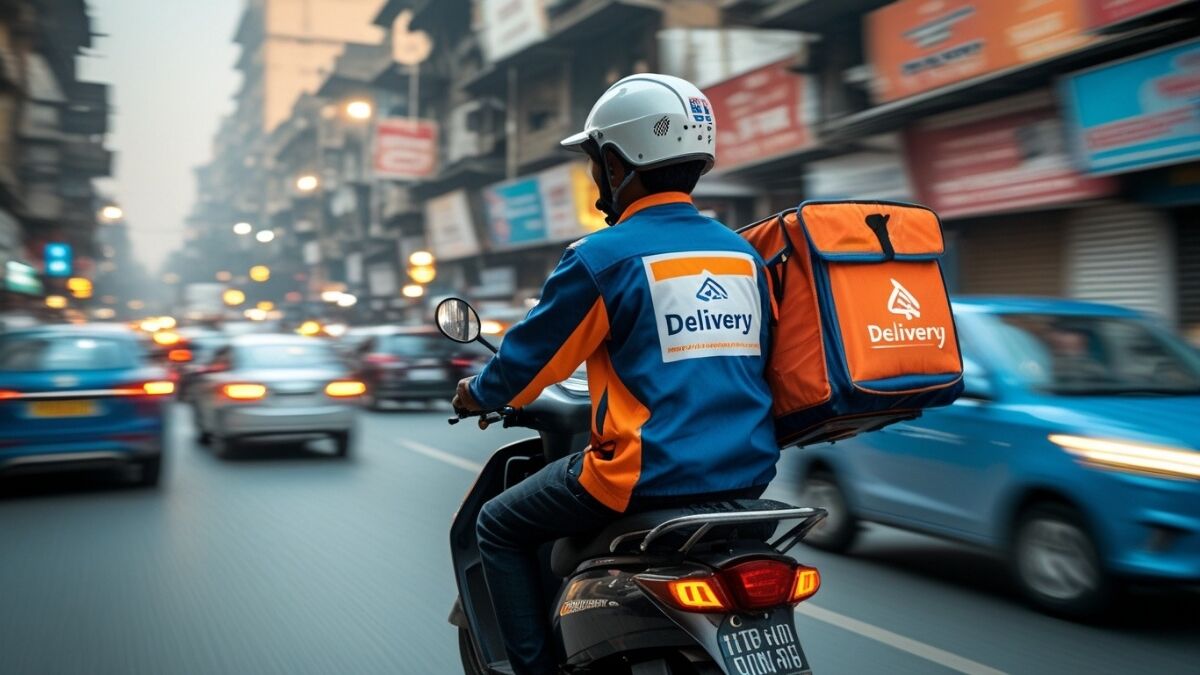
A growing percentage of urban customers now select rapid commerce as their preferred method of purchasing due to rising family incomes and a growing demand for convenience.
To avoid missing out on the enormous rapid commerce sector, e-commerce behemoths Amazon and Flipkart had to establish their own quick commerce divisions.
Amazon Now and Flipkart Minutes
The introduction of “Amazon Now” and “Flipkart Minutes”, which both provide delivery in less than 30 minutes, indicated that speed is now the industry standard rather than a premium sector.
Dark businesses evolved into megapods from little neighborhood hubs. These bigger facilities, which are usually between 10,000 and 12,000 square feet in size, can now hold more than 50,000 stock-keeping units (SKUs), allowing platforms to deliver air conditioners and iPhones at the same speed as bread and milk.
🚀 Rapid Commerce in India
- 10-Min Delivery: Groceries and gadgets delivered in minutes.
- Growth: 33M users in 150 cities; 10% of retail by 2030.
- Amazon & Flipkart: Quick commerce with <30-min delivery.
- Megapods: Large hubs store 50,000+ SKUs for faster delivery.
- Financials: Meesho IPO ₹5,421 cr; Zepto plans 2026 DRHP.
- Regulations: CCI & CCPA ensure fair pricing and compliance.
- Gig Workers: Labor laws provide social security and benefits.
- 2026 Outlook: Focus on faster delivery, category growth, and compliance.
Q-Com Expansion Highlights
During the Dhanteras celebration, platforms sold and delivered gold and silver coins in a matter of minutes, demonstrating the vast scope of the Q-com growth.
Meesho’s ₹5,421 crore IPO in December brought the year’s financial story to a climax and confirmed the enormous buying power of Tier-2 and Tier-3 value shoppers.
Zepto and Future IPO Plans
According to insiders, Zepto plans to pre-file its draft red herring prospectus (DRHP) with market regulator Sebi via a secret channel in order to pursue a stock market offering sometime in 2026.
However, there was a lot of conflict in the larger retail environment as a result of dark businesses’ quick physical growth. As Q-com started to reduce the profits of conventional Kirana retailers, consumer unions increased their protests against governmental control.
Regulatory Response and Kirana Conflict
The Competition Commission of India (CCI) announced the rules for calculating the cost of production in May in response to this “Kirana Conflict”, which became a major topic in policy circles. This action helped the watchdog more successfully evaluate claims of predatory pricing and deep discounting, particularly in the quick commerce and e-commerce sectors.
Several rapid commerce enterprises received notifications from the consumer protection agency CCPA for packaged product declarations that were required by the Legal Metrology Act.
Gig Worker Welfare and Legal Recognition
There was also a lot of examination of the human aspect of this digital boom. Concerns about road safety, which are connected to the 10-minute pressure model, became more prevalent in 2025 as the gig labor welfare issue intensified.
The government’s announcement of four labor laws in November, which brought the large number of gig workers under official regulatory registration and social security, finally brought attention to their plight.
Formalizing the Gig Economy
This action marked the end of legal invisibility for the driver negotiating city traffic or the delivery partner dropping off groceries, moving them from the periphery of the “unorganised” sector into a formal social security net.
For millions of gig and platform workers in India, the implementation of universal employment rights, required appointment documents, and access to benefits like insurance, ESIC, and provident funds lay the groundwork for stability and predictability.
Outlook for 2026: Category Deepening and Order Consolidation
The trend for 2026 points to a year characterized by the twin themes of category deepening and order consolidation. The major three will strengthen their market positions and test the limits of what can be given in less than 30 minutes as the industry moves into this era.
A more balanced approach to regulatory compliance will be necessary in the next year, especially with respect to labor welfare and competitiveness with conventional commerce.
