
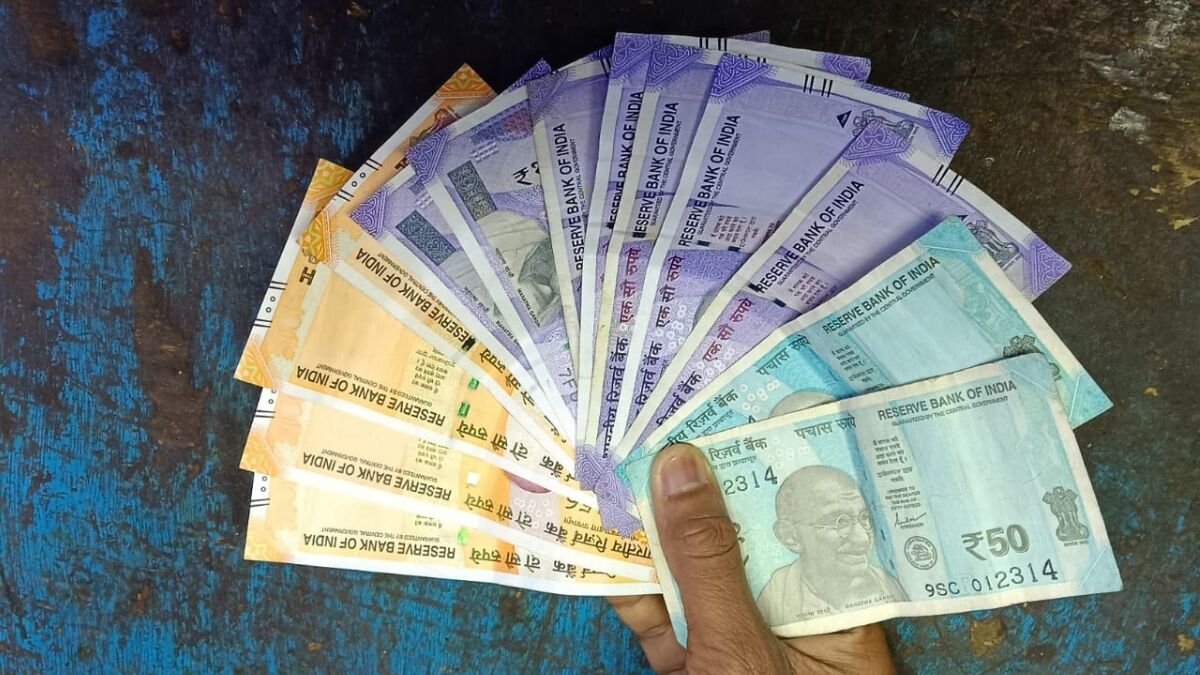
A government-backed savings program called the Sukanya Samriddhi Yojana (SSY) aims to protect a girl child’s long-term financial destiny.
Eligibility and Account Opening
For a girl child, parents or legal guardians may open an SSY account, which contains cash deposited under the program.
Any Public Sector Bank branch, India Post office, or approved private banks like HDFC Bank, Axis Bank, ICICI Bank, and IDBI Bank can open an account. From the girl’s birth until she turns ten, an SSY account can be opened at any moment.
A family may open accounts for up to two girl children, but each girl child may only have one SSY account. However, if an affidavit and pertinent birth certificates are submitted, more than two accounts may be allowed in the event of twins or triplets.
Account Management and Transfer
SSY accounts are movable throughout India and can be moved between post offices or banks without having an impact on interest accrual.
Until the girl child becomes eighteen, the parent or guardian is in charge of the account. After then, the account holder can manage the account on their own after submitting the necessary paperwork.
Required Documents for SSY Account
- Sukanya Samriddhi Account Opening Form (available at post offices and banks)
- The girl child’s birth certificate
- UIDAI-issued Aadhaar number
- Form 60 or Permanent Account Number (PAN) in accordance with Income Tax Regulations
Deposits and Contribution Limits
A minimum initial investment of ₹250 is required for parents or guardians to open an SSY account. With a minimum contribution of ₹250 in a fiscal year, subsequent deposits may be made in multiples of Rs 50.
There is a limitation of Rs 1.5 lakh on the maximum annual deposit. Any money put over this cap is refunded to the depositor and does not accrue interest. Up to 15 years after the account opening date, deposits are permitted.
As of December 2025, total deposits in SSY accounts have surpassed Rs 3.33 lakh crore, indicating an increase in scheme participation.
Interest Calculation
SSY account interest is computed on a monthly basis and credited at the conclusion of each fiscal year. Interest is added annually and continues to accrue even if the account is transferred during the year, guaranteeing continuous savings growth. The Ministry of Finance announces the interest rate on a regular basis.
Withdrawals and Premature Closure
For educational purposes, an SSY account holder may take out up to 50% of the balance at the conclusion of the prior fiscal year. When the girl child passes Class 10 or turns 18, whichever comes first, this facility becomes available.
A maximum of one withdrawal per year for a maximum of five years is permitted, and withdrawals may be made in installments or as a lump payment. The amount withheld cannot be greater than the actual educational costs specified in supporting documentation, such as fee slips or admittance letters.
Maturity
After 21 years from the opening date, the SSY account matures. After the account matures, it keeps earning interest at the rate that applies to Post Office Savings Accounts if it is not closed.
Premature Closure Conditions
Only several situations permit the early termination of an SSY account:
The account holder’s marriage:
If the female is at least eighteen, the account may be closed within one month prior to or three months following marriage. It is necessary to have supporting documentation and a declaration on non-judicial stamp paper.
The account holder’s death:
After the death certificate is submitted, the account can be terminated right away, and the guardian will receive the remaining amount plus any relevant interest.
Within the first five years of account opening, premature closing is prohibited.
Why Sukanya Samriddhi Yojana is Considered a Smart Savings Option
- The government has announced attractive interest rates.
- Tax advantages under the Income Tax Act of 1961’s Section 80C
- The annual range of flexible deposits is between Rs 250 and Rs 1.5 lakh.
- Option for partial disengagement from education
- Interest will continue even after the account matures if it is not closed.
The Sukanya Samriddhi Yojana continues to be one of the most well-liked savings choices for parents preparing for their daughter’s schooling and future needs because of its long-term focus, tax efficiency, and government support.
💰 SSY Deposits & Growing Participation
- Total Deposits: Over Rs 3.33 lakh crore (Dec 2025)
- Annual Deposit Limit: Rs 1.5 lakh
- Minimum Deposit: ₹250
- Account Duration: 15 years for deposits
- Interest: Credited annually
📚 SSY Withdrawals for Education
- Eligibility: Girl passes Class 10 or turns 18
- Withdrawal Limit: Up to 50% of balance
- Frequency: Once per year, up to 5 years
- Purpose: Education expenses only
- Mode: Lump sum or installments
Frequently Asked Questions
1. Can a girl who is older than ten years old open an SSY account?
No, only girls between the ages of one and ten are eligible to open SSY accounts.
2. Is it possible for me to open several accounts for my daughters?
Yes, although in general, each girl child may only have one account. Up to two females may have accounts opened by a family; twins or triplets may be exempt with the right paperwork.
3. Does SSY have no taxes?
Yes, Section 80C of the Income Tax Act of 1961 exempts deposits, interest earned, and maturity amounts from tax.
4. Can I take out a portion of my money before it matures?
Yes, the girl may take out up to 50% of the amount for educational purposes after turning 18 or finishing Class 10.
5. After 21 years, what happens if the account is not closed?
Until the sum is taken out, the account keeps earning interest at the Post Office Savings Account rate.
Conclusion
A wise and safe way for parents to save for their daughter’s future is through the Sukanya Samriddhi Yojana. With government support, competitive interest rates, tax advantages, flexible deposits, and partial withdrawal choices, SSY not only guarantees financial stability but also helps with demands relating to marriage and school. It is still one of the most well-liked long-term investment plans for Indian girls.
Disclaimer: The information provided here is for general educational purposes only and does not constitute financial advice. Please consult a qualified financial advisor or refer to official sources before making any investment or account-related decisions.
