
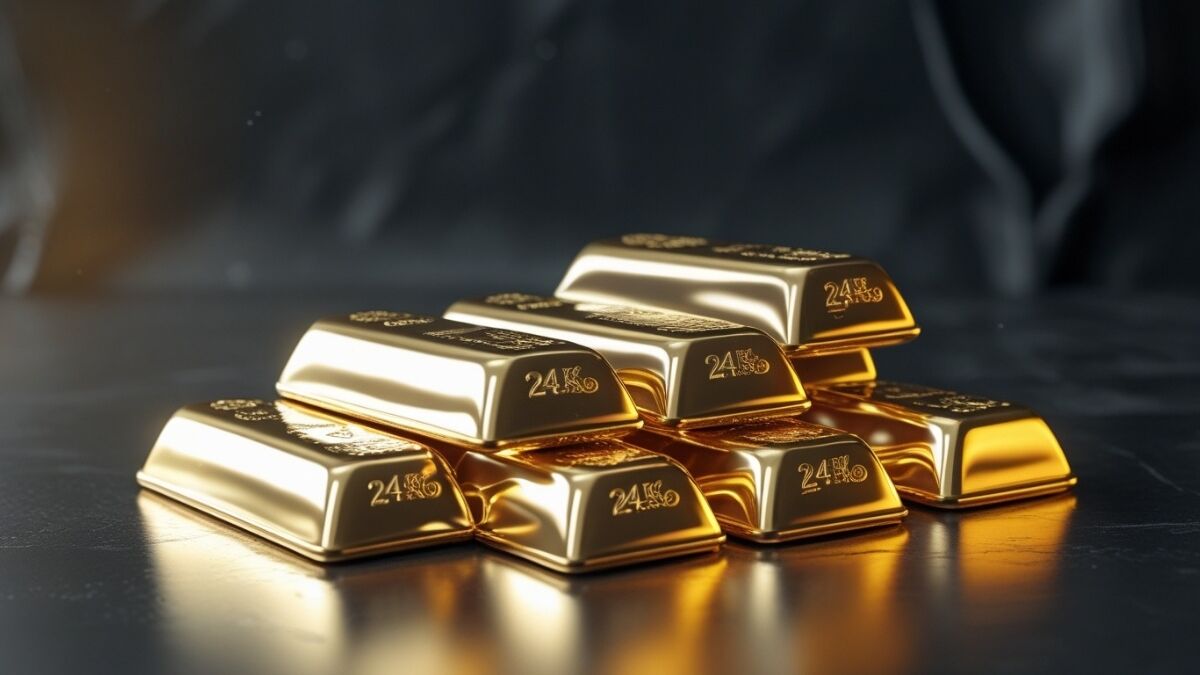
India’s preference for precious metals is clearly visible in recent mutual fund data, with gold and silver ETFs witnessing unprecedented growth amid market volatility and global uncertainty.
The total assets managed by gold and silver exchange-traded funds (ETFs) reached a new high of Rs 3 lakh crore in January 2026. In just five months, the assets almost tripled due to record inflows, even though the price of precious metals fluctuated significantly.
Gold and Silver ETF Assets Touch Record High
The total AUM, which was over Rs 1 lakh crore in August 2025, increased significantly to exceed Rs 3 lakh crore by January 2026, according to data from the AMFI.
The period saw a substantial rise in folios, which was indicative of increased investor activity. Silver ETF folios grew from 11.31 lakh to 47.85 lakh, and gold ETF folios increased from 80.34 lakh to 1.14 crore, signifying growths of 323 and 43 percent, respectively.
Surge in Investor Participation
Record inflows in January 2026 bolstered the assets’ explosive growth. According to AMFI data, silver ETFs saw inflows of Rs 9,463 crore during the month, while gold ETFs saw inflows of over Rs 24,039 crore. These inflows surpassed the Rs 24,029 crore inflows from equity funds.
📈 Gold & Silver ETF AUM Snapshot
- AUM (Aug 2025): Over ₹1 lakh crore
- AUM (Jan 2026): ₹3 lakh crore+
- Growth Period: Just 5 months
- Data Source: AMFI
- Key Driver: Record monthly inflows
The combined inflows into gold and silver exchange-traded funds (ETFs) in December totaled Rs 15,609 crore, while equity fund inflows totaled Rs 28,055 crore. This was the second consecutive month that equities flows were moderate.
Equity Inflows Remain Moderate
The spike in gold and silver inflows should not be seen as a warning of an imminent decline in the equities market, according to Ajay Garg, CEO of SMC Global Securities. According to him, investors have temporarily shifted a portion of their allocation toward defensive assets in order to handle volatility and economic uncertainty, which has resulted in a reduced inflow of equities mutual funds.
Garg went on to say that while an overabundance of concentration in one asset class may raise risk, long-term investors should continue to maintain a disciplined allocation of roughly 10 to 15 percent in gold and silver.
Portfolio Allocation Strategy
According to Garg, lump-sum purchases at high levels are inferior from a strategic standpoint to staggered deployment through systematic investment plans or phased ETF investments. Indian stocks may stabilize as international trade clarity improves and foreign investor flows progressively resume, he continued, adding that it is still wise to maintain a balanced portfolio that includes both stocks and precious metals.
The spike in inflows suggested that policy uncertainty, a comparatively weaker currency, and uncertainty about the direction of US Federal Reserve policies going forward all contributed to the continued strength of demand for gold. In January, increased allocations to gold exchange-traded funds (ETFs) were a defensive tactic due to domestic concern around the India-US trade imbalance and ongoing outflows of international investors.
💰 January 2026 ETF Inflows
- Gold ETF Inflows: ₹24,039 crore+
- Silver ETF Inflows: ₹9,463 crore
- Equity Fund Inflows: ₹24,029 crore
- Investor Mood: Defensive allocation
- Key Factors: Volatility, policy uncertainty, weak currency
Following last year’s dramatic increase in silver prices, solid fund performance, and investor interest in the metal’s dual use as an industrial commodity and a safe haven, silver ETFs also experienced high investor involvement. According to World Gold Council data, central bank gold purchases in 2025 dropped below 1,000 tonnes, suggesting that investor flows rather than sovereign accumulation have been driving the recent surge.
Silver ETFs Gain Momentum
The recent surge in inflows of gold and silver, according to Nikunj Saraf, CEO of Choice Wealth, was due more to return-chasing behavior than a structural change in asset allocation. According to him, investor flows often follow performance, and precious metals have shown significant momentum over the past year.
Saraf went on to say that a sizable amount of the inflows seem tactical, motivated by recent results and worldwide unpredictability. He pointed out that gold and silver work best as cycle-long portfolio stabilizers rather than as drivers of returns.
Frequently Asked Questions
1. Why did gold and silver ETF assets rise sharply?
Due to record inflows driven by volatility, policy uncertainty, and defensive investment strategies.
2. Did gold and silver ETFs outperform equity funds?
In January 2026, combined precious metal ETF inflows exceeded equity fund inflows.
3. Is this shift away from equities permanent?
Experts say the shift appears tactical rather than structural.
4. What allocation do experts recommend for gold and silver?
Most advisors suggest maintaining 10–15% allocation in precious metals.
5. What factors supported gold demand?
Policy uncertainty, currency weakness, and global economic concerns.
Disclaimer: This article is for informational purposes only and should not be considered investment advice.