
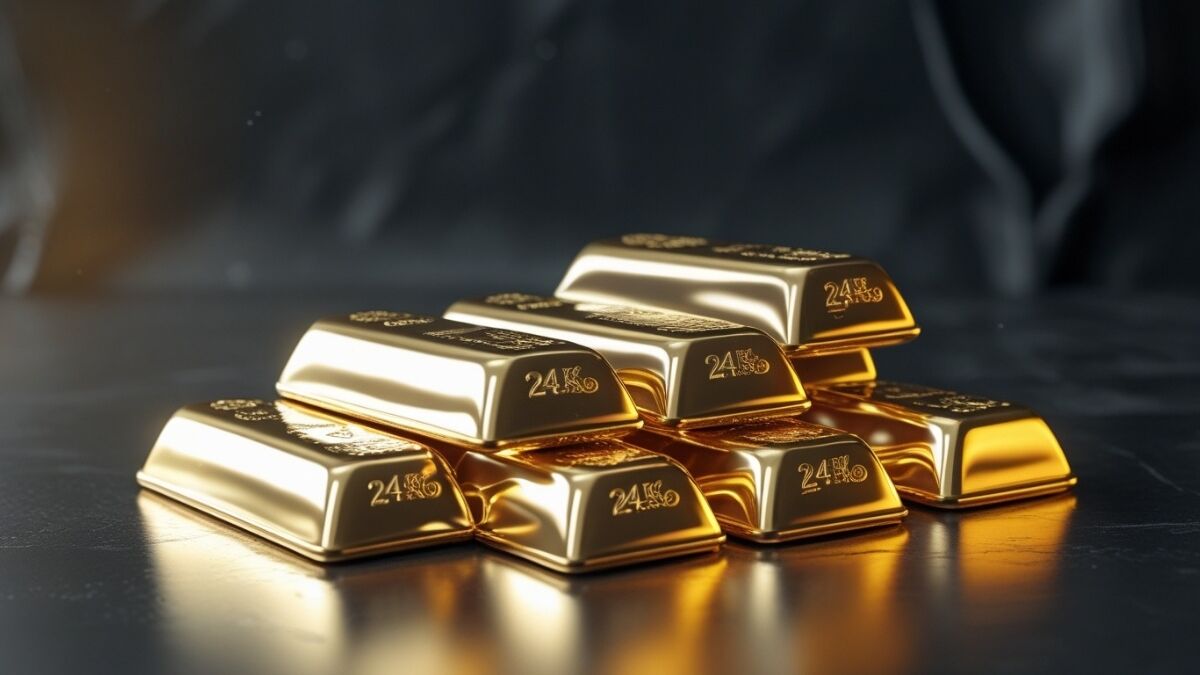
According to the Reserve Bank of India’s most recent data, India’s foreign exchange reserves fell USD 6.711 billion to USD 717.064 billion in the week ending February 6 after hitting a new all-time high the week before.
Due to a decline in gold reserves and an increase in foreign currency assets, foreign exchange reserves fell significantly in the most recent week.
The currency market has mostly been rising over the last few weeks. Last week, the foreign exchange reserves reached a record high of USD 723.774 billion.
India’s foreign currency assets (FCA), which make up the majority of its foreign exchange reserves, increased by USD 7.661 billion to USD 570.053 billion for the reporting week, which concluded on February 6.
Gold reserves were down USD 14.208 billion from the previous week to USD 123.476 billion, according to RBI data.
The RBI stated earlier this month that the nation’s foreign exchange reserves were adequate to fund more than 11 months’ worth of product imports following the most recent monetary policy review meeting. According to the RBI, India’s external sector is still strong and it can easily meet its needs for outside funding.
Data indicates that in 2025, the forex kitty expanded by almost 56 billion. Reserves increased $20 billion in 2024 and $58 billion in 2023.
Reserves increased by slightly more than USD 20 billion in 2024. India’s foreign exchange reserves increased by about USD 58 billion in 2023, compared to a total decrease of USD 71 billion in 2022.
The term “foreign exchange reserves,” or “forex reserves,” refers to assets that a country’s central bank or monetary authority holds, mostly in reserve currencies like the US dollar, with smaller amounts kept in the Euro, Japanese yen, and the GBP.
In order to stop the rupee from sharply declining, the RBI frequently steps in by controlling liquidity, which includes selling dollars. When the Rupee is strong, the RBI strategically purchases dollars; when it is weak, it should preferably sell.
The original upload of this article occurred at twenty-six minutes past nine in the morning on February 15, twenty-six.
