
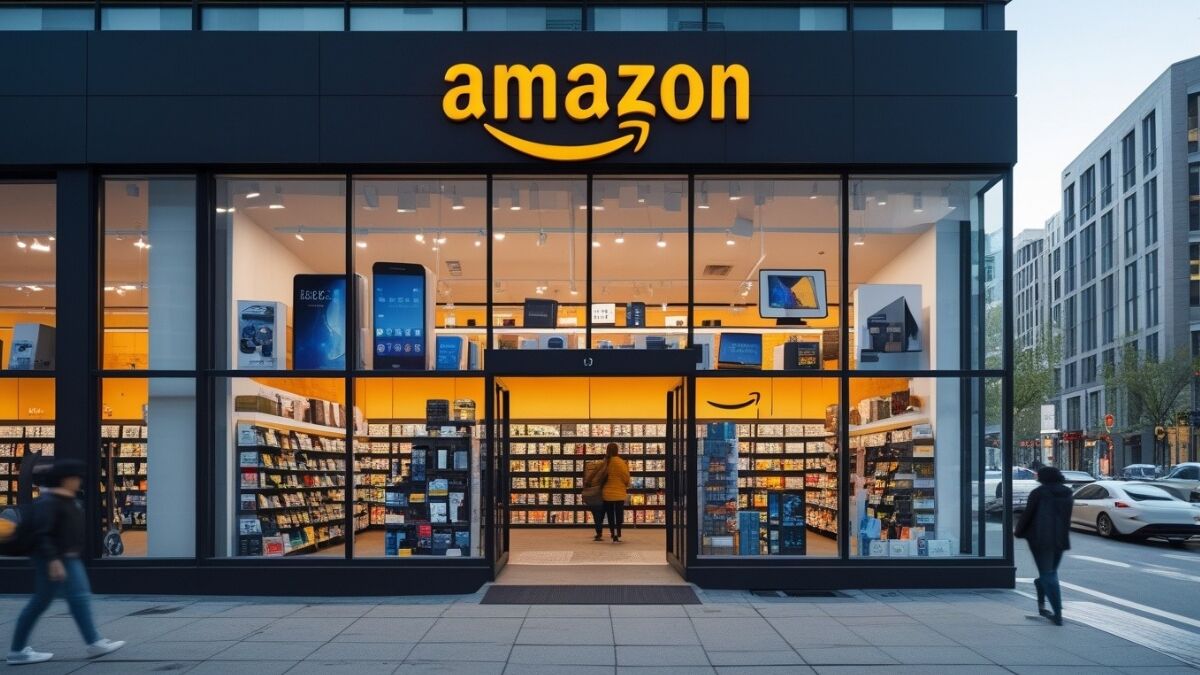
Amazon is getting ready to drastically cut back on the quantity of packages it sends via the US Postal Service (USPS). This move has the potential to change the economics of last-mile delivery in the US and have an impact on both consumers and businesses.
Amazon Plans Major Reduction in USPS Deliveries
When its current delivery contract expires in the fall, Amazon, which has historically been the Postal Service’s biggest client, hopes to reduce its reliance on USPS by up to two-thirds. According to those acquainted with the situation, the corporation has already started cutting back on the number of goods it delivers to the agency.
The change is significant in scope. Over one billion Amazon parcels were handled by USPS last year, making up around 15% of all parcel deliveries made nationwide. For the agency, which has had financial difficulties for the most of the last 20 years, these quantities have been a consistent source of income.
Scale of the Impact on USPS
For USPS, the possible loss of Amazon’s business comes at a sensitive time. In fiscal 2025, the agency recorded a $9 billion financial loss, maintaining a long-standing trend of deficits.
In order to meet the increasing demand for e-commerce, USPS has made significant investments in modern equipment, facility expansion, and parcel infrastructure upgrades in recent years. High-volume customers like Amazon helped to justify such investments.
Financial Pressure and Infrastructure Concerns
There are currently worries regarding underutilization due to a significant decline in package volume. Large package processing facilities could run below capacity, and expensive new equipment might not yield the anticipated results. USPS may have to look for new business alliances or undertake further cost-cutting measures in order to mitigate the impact.
The change seems to be connected to a more comprehensive strategy reform at USPS. For its “last-mile” delivery services—the portion in which it completes the last leg of goods for merchants and logistics companies—the agency has started a competitive bidding process under Postmaster General David Steiner.
Strategic Changes in USPS Operations
Amazon notified USPS of its plan to reduce quantities as part of this procedure. This is the first time the agency has formally sought competitive tenders for such services, which is a change from previous practice.
According to Steiner, the initiative’s goal is to better understand the market value of USPS’s last-mile capabilities, which might lead to a more varied clientele.
Amazon’s Logistics Strategy Expansion
Amazon’s long-term goal of creating a vertically integrated logistics network is reflected in this choice. The corporation has made significant investments in its own transportation infrastructure over the last ten years, including networks of independent contractors, delivery trucks, warehouses, and airplanes.
Amazon can regulate delivery speeds, streamline operations, and perhaps reduce long-term expenses by reducing its reliance on USPS. Additionally, it lessens the need for outside partners during periods of high demand, which can put pressure on conventional carriers.
Impact on Customers and Deliveries
Amazon is getting ready to drastically cut back on the quantity of packages it sends via the US Postal Service (USPS). This move has the potential to change the economics of last-mile delivery in the US and have an impact on both consumers and businesses.
The immediate effect on customers can be minor, but not negligible.
Delivery Speed and Urban Areas
Delivery times in urban and suburban areas may be quicker and more consistent thanks to Amazon’s internal network.
Challenges in Rural Deliveries
In the past, USPS has been essential for getting to far-off places. Reduced involvement can make logistics more difficult in harder-to-reach areas, which could result in slower delivery or a need for other carriers.
Shipping Costs and Market Changes
Although Amazon might cover short-term expenses, more significant changes in the delivery environment may eventually have an impact on industry pricing.
Although it might not be noticeable right away, the effect on customers might be modest.
Repeated Customer Impact Overview
Speed of delivery:
Delivery times in urban and suburban areas may be quicker and more consistent thanks to Amazon’s internal network.
Deliveries in rural areas:
In the past, USPS has been essential for getting to far-off places. Reduced involvement can make logistics more difficult in harder-to-reach areas, which could result in slower delivery or a need for other carriers.
Shipping expenses:
Although Amazon might cover short-term expenses, more significant changes in the delivery environment may eventually have an impact on industry pricing.
Frequently Asked Questions
1. Why is Amazon using the USPS less frequently?
Amazon desires more authority over the delivery of its packages. It may increase speed, lessen reliance on outside parties, and ultimately control prices more effectively by depending more on its own logistics network, which includes warehouses, trucks, and delivery partners.
Q2. How will this alteration affect delivery speed?
Deliveries may possibly get faster and more dependable for clients who live in cities and suburbs. You might experience more reliable same-day or next-day delivery because Amazon’s internal system is designed for rapid turnaround times.
Q3. Will it impact deliveries in remote areas?
Yes, the effect might be more apparent here. Delivering shipments to isolated and difficult-to-reach locations has historically relied heavily on USPS. Rural clients may see shipments handled by various carriers or see slower deliveries as fewer Amazon packages travel through USPS.
Q4. Will shipping or product expenses rise as a result?
Customers are unlikely to notice significant changes in the near future because Amazon might cover the additional expenses. However, it may eventually result in increased prices or delivery fees if logistics costs increase or competition in delivery services declines.
Q5. What impact does this have on USPS?
It might have a big effect on USPS. At a time when the agency is already struggling financially, losing a sizable portion of Amazon’s business would result in a decline in revenue. Under David Steiner’s direction, USPS might have to make up for the loss by reducing expenses, changing prices, or acquiring new customers.
Conclusion
This action demonstrates Amazon’s efforts to become an entirely independent logistics player. While many consumers, particularly those in cities, would profit from quicker deliveries, USPS and rural areas are more uncertain. This change may eventually alter pricing, competitiveness, and delivery networks throughout the whole e-commerce sector.
Disclaimer
This content is for informational purposes only and should not be considered financial or investment advice.
