
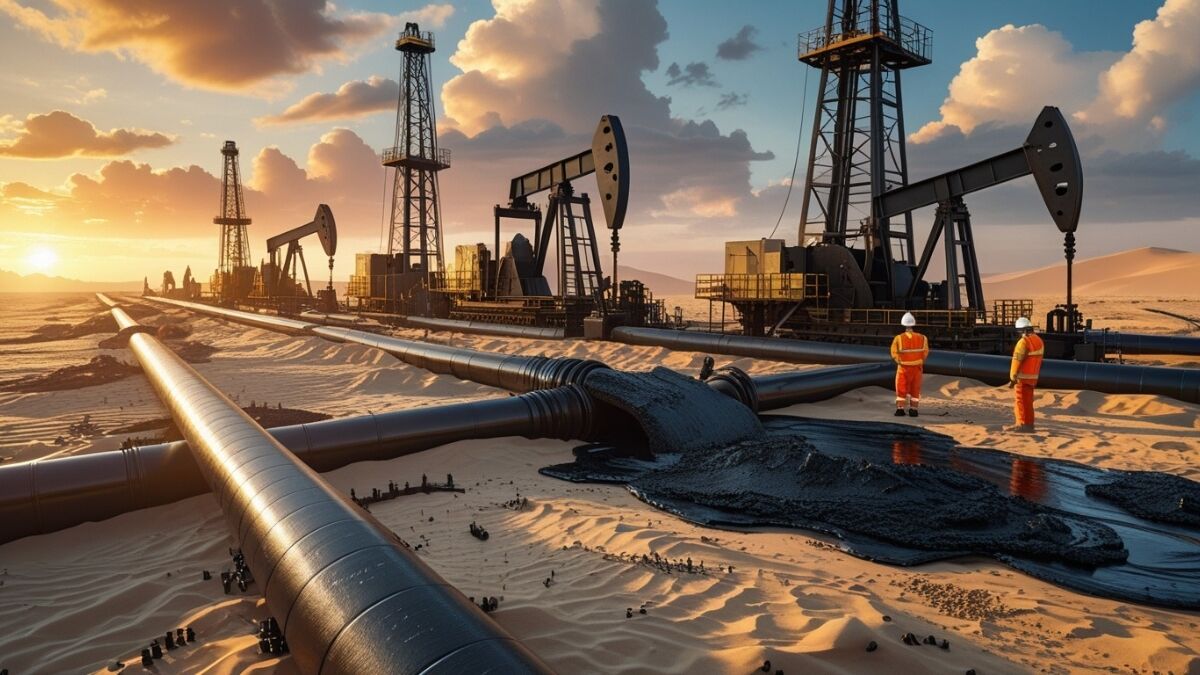
Global markets remain under pressure as geopolitical tensions in the Middle East continue to drive uncertainty, pushing oil prices higher and weighing on investor sentiment.
Even though US President Donald Trump extended the deadline for a possible attack on Iran’s oil infrastructure by an additional ten days, US stock futures were trading marginally lower during Friday’s session, March 27.
Markets React to Rising Middle East Tensions
📉 Market Snapshot
- Dow Futures: -0.3%
- S&P 500 Futures: -0.3%
- Nasdaq Futures: -0.3%
- Oil Prices: Rising sharply
- Investor Mood: Cautious
- Trigger: Geopolitical tensions
Instead of calming markets, the action caused crude oil prices to sharply rise. The Dow Jones Industrial Average, S&P 500, and Nasdaq futures were all down 0.3%.
Investors are worried about a possible truce in the Middle East because the US is reportedly sending additional troops to the area, despite Trump’s recent words indicating that he is willing to end the war.
Trump Extends Deadline, Markets Remain Nervous
In addition to extending his deadline for Tehran to reopen the Strait of Hormuz until April 6, Trump announced on Thursday that he will postpone a planned attack on Iran’s energy infrastructure and that negotiations to end the conflict are “doing very well.”
Trump’s earlier threat that the US would target Iran’s energy plants if the vital shipping path remained closed is reversed by this action. If the US follows through, Iran has warned to strike against regional infrastructure, including desalination plants.
Escalating Political and Military Risks
🛢️ Oil Market Impact
- Brent Oil: $111/barrel
- Increase: +57% in one month
- Key Route: Strait of Hormuz
- Risk: Supply disruption
- Impact: Global economy pressure
- Concern: Inflation & growth slowdown
The president said Iran was “begging to make a deal” and urged its leaders to “get serious quickly” about negotiations, a day after Tehran rejected Trump’s 15-point ceasefire proposal. This statement caused a significant sell-off in US stocks during the previous session.
The S&P 500 is back on course for a fifth consecutive negative week after falling 1.7% during Thursday’s trading, its worst day since January. The Nasdaq Composite dropped 2.4%, falling more than 10% below its all-time high set earlier this year, while the Dow Jones Industrial Average dropped 469 points, or 1%.
Stock Market Volatility Increases
In a week that started with great expectations following President Donald Trump’s announcement that fruitful negotiations to end the conflict had taken place, stocks all around the world were volatile. Iran, meanwhile, presented its own five-point plan to end the conflict and denied that direct negotiations were taking place.
The Strait of Hormuz, the limited entry point for international petroleum exports, has become a focal point of the ongoing battle. Nearly one-fifth of the world’s oil supply passes through this vital route, which Iran has essentially closed.
Strait of Hormuz Becomes Flashpoint
As Tehran continues to launch missiles toward Israel and Gulf Arab countries, Israel allegedly warned on Friday that it will intensify its airstrikes on Iran. Meanwhile, missile strikes in West Asia have persisted.
According to the Fars news agency, the Islamic Revolutionary Guard Corps (IRGC) carried out the 83rd wave of Operation “True Promise IV” in the early hours of Friday, using missiles and drones to target important Israeli and American military installations in the region.
Global Economic Concerns Rise
As traders worry that supply interruptions may continue, Brent oil prices increased by an additional 3.5% to hit an intraday high of $111 per barrel, building on the gains from the day before.
Brent crude was around $70 prior to the start of the conflict, meaning that prices have increased by almost 57% in only one month, shocking the world economy and particularly affecting Asia because of its reliance on the Middle East for oil imports.
Economists are cautioning that if crude oil prices stay at current high levels, it might impede global growth and severely harm those economies that are extremely vulnerable to fluctuations in crude prices.
Disclaimer: This content is for informational purposes only and reflects ongoing market and geopolitical developments. Financial markets are subject to risks and volatility.
