
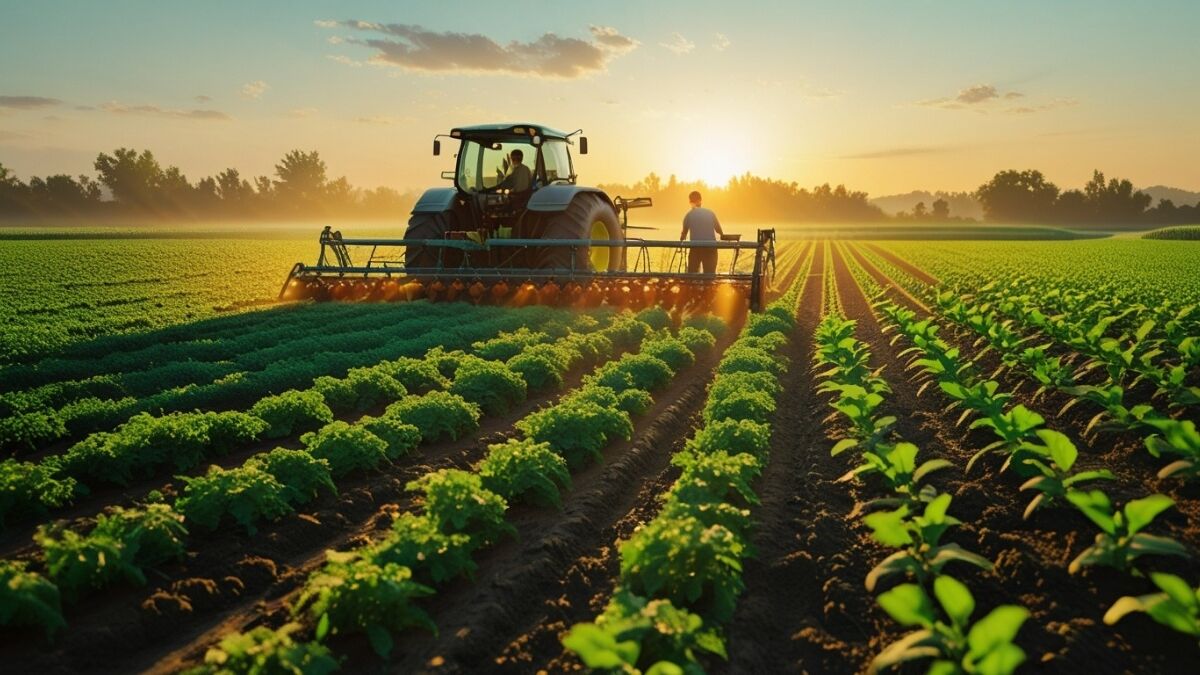
As the wheat harvesting season approaches, farmers across India are facing growing concerns over diesel availability due to new restrictions, raising fears of disruptions in agricultural operations.
Around April 10, farmers start harvesting wheat, which increases demand for diesel for tractors and harvesters. Farmers worry that the restrictions on the selling of diesel in transportable containers may result in a lack of fuel during the critical harvest season. See how farmer unions are handling the dire circumstances.
Diesel Shortage Concerns During Harvest Season
Citing increasing use to run agricultural machinery during the impending harvest season in April, farmer lobbies have voiced concerns about the stringent execution of restrictions on the sale of diesel in portable containers amid the conflict in West Asia.
🚜 Diesel Crisis in Farming
- Season: Wheat harvesting (April)
- Demand: High for tractors & harvesters
- Issue: Ban on loose diesel sales
- Impact: Fuel shortage fears in rural areas
- Risk: Crop loss & delayed procurement
- Concern: Increased operational costs
Restrictions Create Supply Challenges
Farmers claim that the prohibition on the sale of loose fuel, which was put in place to stop illicit storage and abuse, has increased uncertainty about the availability of sufficient supplies during the busiest time of year, especially in remote areas where access to gas stations is still restricted.
Farmers in northern states like Punjab, Haryana, Rajasthan, and Uttar Pradesh, along with the Kisan Mazdoor Sangharsh Committee, Kirti Kisan Union, and Sanyukt Kisan Morcha, are now preparing to bring up the matter with authorities in an effort to relieve supply.
Operational Difficulties in Rural Areas
It is not practical for farmers to transport harvesters to fuel pumps on a regular basis in remote locations. It has long been customary to buy fuel in containers.
According to Uttar Pradesh farmer Bhanu Pratap Singh, “any disturbance in harvesting will not only impair crop quality but also delay procurement, hurting overall farm profits.” Stakeholders caution that maintaining a steady supply of fuel will be essential to preventing operational bottlenecks and protecting productivity in the nation’s major grain-producing regions because the wheat harvest window is limited and weather-sensitive.
⚠️ Policy Impact on Diesel Supply
- Rule: Ban on diesel in containers
- Reason: Prevent hoarding & safety risks
- Effect: Limited rural fuel access
- Price Rise: ₹22 per litre increase
- Supply: Restricted to vehicles & bulk buyers
- Demand: 40% from agriculture sector
Rising Demand and Production Outlook
Around April 10, farmers start harvesting wheat, which increases demand for diesel for tractors and harvesters. Approximately two-fifths of India’s yearly diesel demand, or 92 million tons, comes from the agricultural sector.
According to government forecasts, wheat output will reach a record 120.21 million tonnes during the Rabi marketing season (2026–2027), which is around 2.26 million tonnes more than the previous year.
Government Rules and Enforcement
The Petroleum and Explosives Safety Organization’s regulations do, in fact, discourage the loose selling of transport fuels due to safety concerns. However, until the latest government recommendation to states and oil marketing corporations, the standards were not strictly enforced.
In order to prevent panic buying, the Union Petroleum Ministry urged states and gas stations on March 13 to cease selling gasoline and diesel in jerrycans and similar containers. The action came after Iran responded to US and Israeli bombings that damaged its energy infrastructure by blocking the Strait of Hormuz.
Impact on Farmers and Rising Costs
Farmers, particularly those in isolated communities, find it challenging to stockpile diesel for continuous farm operations because pumps are now restricting supplies to authorized bulk customers or direct car refueling. Concerns about increased expenses have also been aroused by the ₹22 per litre increase in industrial diesel rates.
Up until the time of publication, emails sent to the representatives of the ministries of agriculture, farmers’ welfare, petroleum, and natural gas went unanswered. Farmers will meet on Tuesday and April 6 to talk about the problem of loose diesel crunch. To find a solution, they intend to speak with government representatives.
Farmer Response and Planned Actions
According to Rattan Randhawa, a farmer from Deo in the Taran Tarn region of Punjab, farmers typically prepare for the peak harvesting season by filling tractor and harvester tanks ahead of time and buying diesel in containers for later usage. During the brief and labor-intensive harvest window, when every hour is crucial to preventing crop losses, this method enables them to avoid making numerous journeys to gas stations. Thus far, this has been the standard procedure.
In order to guarantee timely fuel availability during the busiest agricultural season, farmer organizations in Punjab, Haryana, and Uttar Pradesh are currently preparing to contact the authorities to explore temporary relaxations or develop alternative systems.
On April 6, there will be a meeting with farmers at the district level. “We also intend to file a representation to the Deputy Commissioner responsible, demanding that the sale of diesel in loose form be legalized during the harvesting season,” stated Sanyukt Kisan Morcha national coordination committee member and Kirti Kissan Union press secretary Raminder Singh.
Farmers want to bring up the matter at an All India Kisan Mazdoor Morcha conference in Kurukshetra on Tuesday and then bring it up with the relevant authorities, according to Sarwan Singh Pandher, Punjab leader of the Kisan Mazdoor Sangharsh Committee and coordinator of the Kisan Mazdoor Morcha.
It is not practical for farmers to transport harvesters to fuel pumps on a regular basis in remote locations. It has long been customary to buy fuel in containers, according to Pandher. “Moreover, frequent excursions to gas stations are unfeasible since they cause substantial time loss during a crucial harvesting period.”
Government Assurance on Fuel Availability
Since India’s oil import sourcing is diverse and the majority of the oil now comes from outside of West Asia, the government has maintained that the nation has an adequate supply of crude oil, gasoline, and diesel.
The petroleum ministry stated in a statement on Monday that panic-buying motivated by rumors has been seen in several locations, resulting in abnormally high sales and crowding at retail establishments. “However, substantial stockpiles of fuel and diesel are available at all petrol pumps across the country,” it stated, restating its warning to the public not to trust rumors.
Frequently Asked Questions
1) Why has demand for fuel increased in April?
As farmers start harvesting wheat around April 10, the demand for diesel increases dramatically, necessitating a steady supply of fuel for tractors and harvesters during a brief, weather-sensitive agricultural window.
2) What is the problem with restrictions on the sale of diesel?
Farmers are unable to store gasoline due to restrictions on selling diesel in portable containers, which necessitates frequent trips to pumps and creates operational difficulties during peak harvesting activity.
3) Which farmer organizations are voicing their concerns?
The Kirti Kisan Union, Sanyukt Kisan Morcha, and Kisan Mazdoor Sangharsh Committee are spearheading initiatives to ask authorities for aid.
4) Why was it decided to limit sales of loose diesel?
Following worldwide supply interruptions connected to tensions near the Strait of Hormuz, the government imposed more stringent regulations based on safety standards and to stop hoarding and panic buying.
5) What remedies are farmers suggesting?
In order to guarantee continuous diesel availability without sacrificing safety or causing delays in crop harvesting and procurement procedures, farmers are calling for a temporary relaxation of regulations or alternate supply systems during harvesting.
Conclusion
It is essential to strike a balance between safety requirements and agricultural requirements because timely access to diesel guarantees effective harvesting, safeguards crop productivity, and avoids revenue losses while preserving stability in the face of uncertain global fuel supplies.
Disclaimer: This article is for informational purposes only and reflects current developments which may change based on policy decisions and global conditions.
