
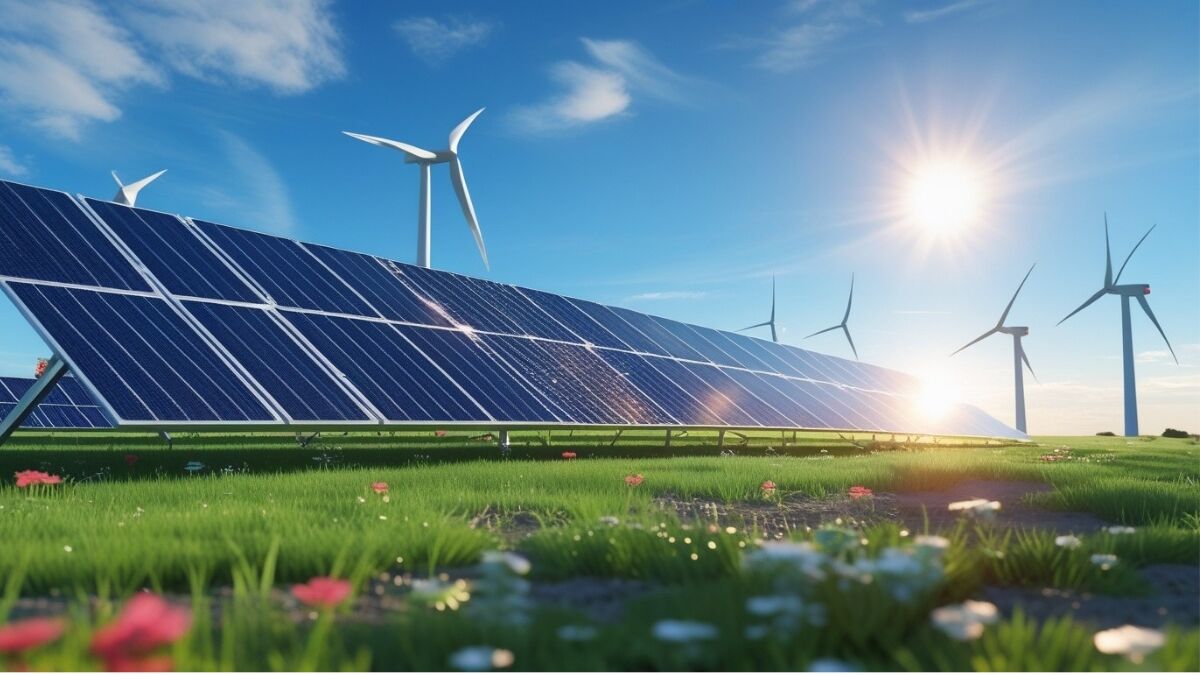
According to a recent Ember analysis, renewable energy sources overtook coal in the production of electricity in 2025, marking a significant change in global energy patterns. Nearly 34% of the world’s power came from renewable sources, mostly due to the quick expansion of solar and wind power.
China and India were important players in this change. Fossil fuel-based electricity generation decreased in both nations as record clean energy additions exceeded growing demand. The largest contributor, accounting for around 75% of the rise in the demand for electricity worldwide, was solar energy.
India’s reliance on coal, which still accounts for over 71% of its electrical generation—much more than the global average—remains significant despite these advancements. India saw rapid development in renewable energy, with solar capacity hitting all-time highs and overall renewable power rising sharply. Nonetheless, fewer than 10% of the nation’s electricity comes from solar power.
The intermittent nature of solar electricity, which depends on sunlight, is a major obstacle. Energy storage is therefore essential. The cost of battery storage decreased by 45% in 2025, which is encouraging because it makes storing solar energy and using it when needed more practical. It is anticipated that this development would hasten the adoption of sustainable energy.
The current conflict in West Asia and other geopolitical concerns could hasten the transition. Countries like India are being forced to lessen their reliance and switch to domestic renewable energy sources due to the rising costs of imported fossil fuels like gas and oil.
Additionally, electrification is gaining traction. Fossil fuel dependency is declining as more people use electric cars and appliances. Additionally, industries are investigating electric substitutes for conventional fuel-based systems.
India has already surpassed its 50% non-fossil fuel capacity goal and is now aiming for 60% by 2035. Global trends, regulatory backing, and declining costs all point to a significant transition toward a cleaner energy future, despite ongoing obstacles.
