
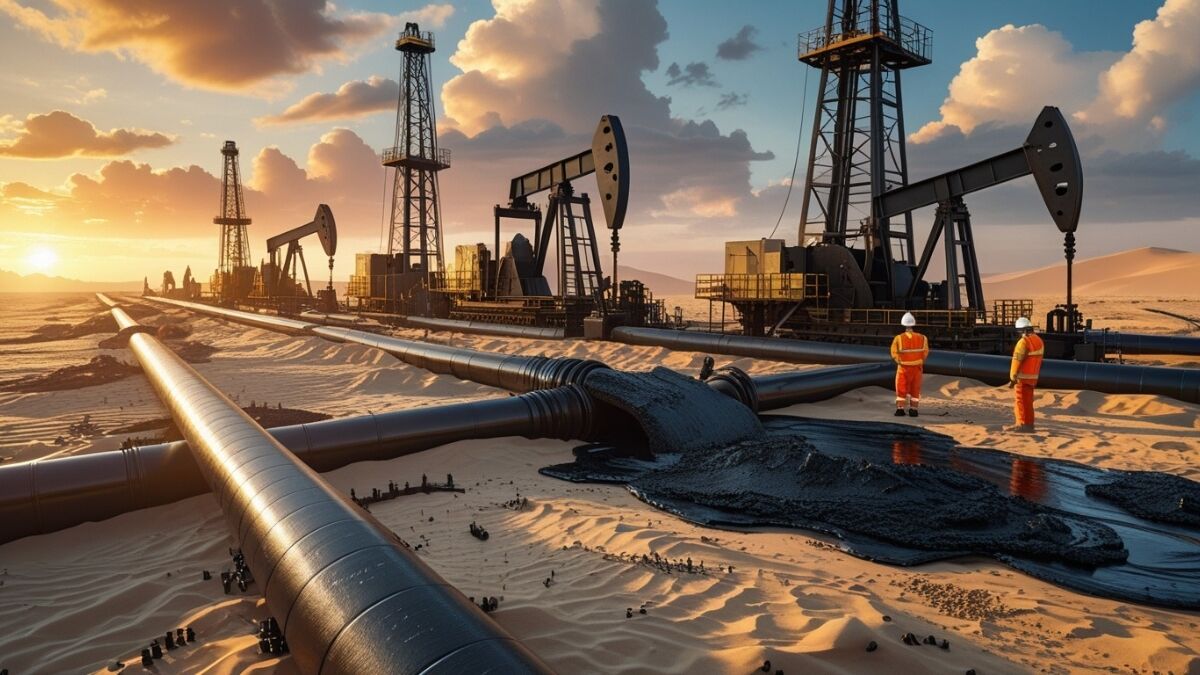
Fears of a protracted disruption in the Strait of Hormuz have caused crude prices to soar to a four-year high, with Brent crude hitting $126 a barrel, putting tremendous pressure on the world’s oil markets.
Growing geopolitical tensions, especially the ongoing dispute between the United States and Iran, where Donald Trump hinted that a naval blockade would remain unless Iran agreed to a nuclear deal, were the cause of the surge.
The world’s energy markets are shaking due to this supply uncertainty. While the heavily traded July contract was close to $114, Brent crude for June delivery reached $126. The stability of the world economy is seriously threatened by such high prices, particularly for nations like India who import oil.
India’s economy is severely strained because it imports around 90% of its crude oil. For FY26, the nation’s oil import bill is already close to $122 billion, and expenditures increase by almost ₹16,000 crore for every $1 increase in crude. It is anticipated that rising oil prices will weaken the currency, create inflationary pressure across industries, and deepen the current account deficit.
Domestic fuel prices have not yet been completely adjusted despite growing worldwide prices. For oil marketing businesses, this has resulted in significant under-recoveries, estimated at ₹20 per litre for gasoline and ₹100 per litre for diesel. Passing on these expenses to customers is “inevitable,” experts caution, which might further affect household finances.
The financial markets have already responded. The rupee fell to almost all-time lows against the dollar, hitting 95.33 before closing little higher. Concerns about increased government borrowing as a result of fuel and fertilizer subsidies led to an increase in bond yields.
In order to stabilize the supply, the U.S. administration is looking into measures to increase domestic oil output. In an effort to lessen the effects of the crisis, officials are examining laws and working with oil corporations to swiftly boost output.
All things considered, the situation reveals a precarious global energy climate where supply interruptions, geopolitical concerns, and economic pressures are closely linked, keeping markets unstable and policymakers on alert.
