
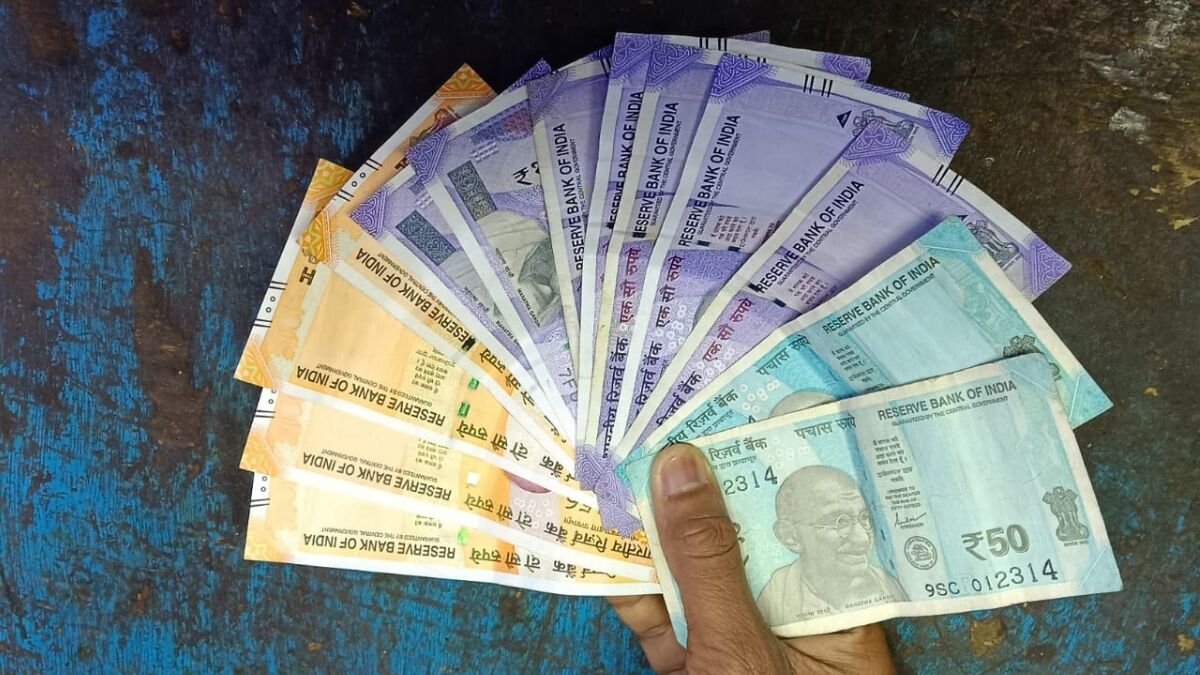
The question appears virtually instantly when extra money appears in your account. Should you invest it and hope it increases more quickly, or should you throw it at your loan and pay off some debt?
Invest or Prepay: Understanding the Real Decision
There is not just one correct response. If someone tells you otherwise, they are oversimplifying a very personal choice. Understanding when prepaying makes sense and when investing discreetly works better is a more sensible approach.
Reducing a loan has a very comforting quality. The duration shortens, but the EMI remains unchanged. Interest wanes. The loan statement appears to be lighter. Spreadsheets are not as important to many individuals as this peace of mind. And occasionally, that gut feeling is spot on.
Why Loan Prepayment Feels So Reassuring
Prepaying is frequently the greatest use of extra money if your loan interest rate is high, particularly for credit cards, personal loans, or older home loans with double-digit interest rates. After taxes, very few investments can consistently outperform those rates.
Additionally, there is the psychological advantage. There is greater breathing room if income becomes unpredictable when there are fewer obligations. Even if it does not appear neatly in return computations, that safety has value.
💸 When Loan Prepayment Clearly Wins
- Best For: Credit cards, personal loans, old high-interest home loans
- Interest Reality: Few investments beat double-digit loan rates after tax
- Risk Control: Lower debt improves cash flow security
- Emotional Benefit: Reduced stress and better sleep
- Financial Impact: Faster interest reduction and shorter tenure
When Prepayment Is a Smarter Financial Move
If your loan interest rate is much higher than what you could reasonably earn elsewhere, prepayment typically prevails. What you are expected to consistently earn after taxes, not hypothetical market returns.
Additionally, it makes sense if you are already overextended. Reducing debt is risk management, not conservatism, if EMIs interfere with your sleep or if a single income disruption would cause serious problems.
Life Stage Matters More Than Numbers
Prepayment is also beneficial when retirement is near and income visibility declines. Vulnerability grows if you carry big loans into your late 50s or early 60s. Stability frequently outweighs maximizing rewards during that stage. The awkward part is about to begin. Although it may feel responsible at times, prepaying is not always the best course of action.
Investing extra money can frequently pay off in the long run if you are in the early or middle phases of your career and have a low-interest house loan. Particularly if the long-term inflation-adjusted returns from equity or balanced investments exceed your loan rate.
📈 When Investing Makes More Sense
- Ideal For: Early or mid-career earners
- Loan Type: Low-interest home loans
- Time Horizon: 10–15 years or more
- Flexibility: Investments retain liquidity
- Goal: Long-term wealth creation over certainty
The Role of Time, Liquidity, and Taxes
Chasing aggressive returns is not what this entails. It entails realizing that although loan interest is set and predictable, money invested for ten or fifteen years has time to recover from market ups and downs.
Liquidity is another factor to take into account. Money is lost once it is used for loan prepayment. If you need money later, you can not just take it out. Investments typically provide you with greater flexibility, even if they are conservative.
Why After-Tax Comparison Is Critical
For many borrowers, home loan interest deductions lower the loan’s effective cost. However, depending on the product and length of holding, investment returns may also be subject to high taxes.
Therefore, the comparison should never be based on headline numbers but rather after taxes. An 8 percent loan with tax advantages might not be as costly as it first appears. After taxes, an investment that promises 10% might not produce that. One of the most frequent errors in the prepay vs. invest discussion is ignoring this.
A Balanced Approach Often Works Best
Splitting extra money helps a lot of individuals. A portion of it goes toward a small prepayment, which lowers interest and stress. Investments in line with long-term objectives receive the remaining funds.
This strategy stays away from extremes. You are not putting all of your liquidity into bricks and EMIs, nor are you placing all of your bets on markets.
The Question That Matters More Than Returns
“What problem am I trying to solve?” is a better question to ask than “Which delivers higher returns?”
Prepayment frequently prevails when the issue is concern, unclear income, or approaching retirement. Investing merits more consideration if the issue is long-term wealth creation and you have time on your side.
Financial decisions are not made in a vacuum. Careers, families, temperament, and health all have them. Even a decision that might not seem ideal on paper might be the best one for a given household.
Why Personal Context Matters in Financial Choices
Selecting prepayment or investing is not the worst option. Because the choice seems difficult, it is doing nothing. It is more expensive than either option to let extra money hang around while you second-guess your decision.
💡 Prepayment vs Investing: What Each Solves
- Loan Prepayment: Reduces stress, EMIs, and financial risk
- Investing: Builds long-term wealth and preserves liquidity
- Key Factor: Income stability and interest rate
- Hidden Cost: Inaction erodes value through inflation
- Reality: The best choice depends on your life stage
Taking Action Matters More Than Perfection
Make a decision, take action, and review. Later on, you can always make adjustments. What counts is that your finances are moving in a way that aligns with your life, not with the formula of someone else. The best choice is ultimately the one you can live with, adhere to, and not regret when things change.
✅ The Real Risk: Doing Nothing
- Problem: Analysis paralysis delays progress
- Impact: Idle money loses value over time
- Solution: Decide, act, and course-correct later
- Mindset: Progress beats perfect planning
- Outcome: Financial confidence improves with movement
Frequently asked questions
1. If I receive a bonus or windfall, should I always pay off my house loan?
Not all the time. Investing all or portion of the surplus might be more beneficial if your house loan interest rate is low and you have long-term objectives like retirement or your kids’ schooling. Only pay in full if it significantly lowers risk or increases your financial comfort.
2. Is there no danger involved in loan prepayment?
Although prepayment lowers debt and interest costs, there is an opportunity cost. Loss of liquidity is the biggest danger since it is difficult to get the money back in an emergency once it has been paid to the lender.
3. How can tax advantages influence the choice between investing and prepaying?
While investment gains are frequently subject to taxation, tax reductions on house loan interest reduce the effective cost of borrowing. To make an equitable choice, always compare borrowing costs and investment returns on a post-tax basis.
4. When making prepayments, is it preferable to shorten the loan term or lower the EMI?
In general, it is wiser to shorten the tenure. It maintains financial discipline and expedites debt liberation by saving more interest over time while maintaining EMIs.
5. Can I invest and make a prepayment at the same time?
Yes, and this is the ideal strategy for a lot of people. A balanced split provides stability and long-term wealth building by lowering loan stress while yet enabling money to grow through investments.
Conclusion
It is not always wise to close a loan early or to invest every extra rupee carelessly. Your interest rate, income stability, tax status, time horizon, and peace of mind all play a role in making the best choice.
Prepayment is necessary for high-interest debt and financial strain. Investing is favored by long timelines, inexpensive borrowing, and well-defined objectives. A medium ground is frequently the most effective.
Making financial decisions involves managing risk, flexibility, and emotional comfort in addition to maximizing profits. Instead of just using a spreadsheet, pick the method that best suits your priorities and life stage.
Above all, avoid letting indecision cause your finances to freeze. As life changes, take action, review, and make adjustments. Making a deliberate choice now is far preferable to having extra money lying around tomorrow.
