
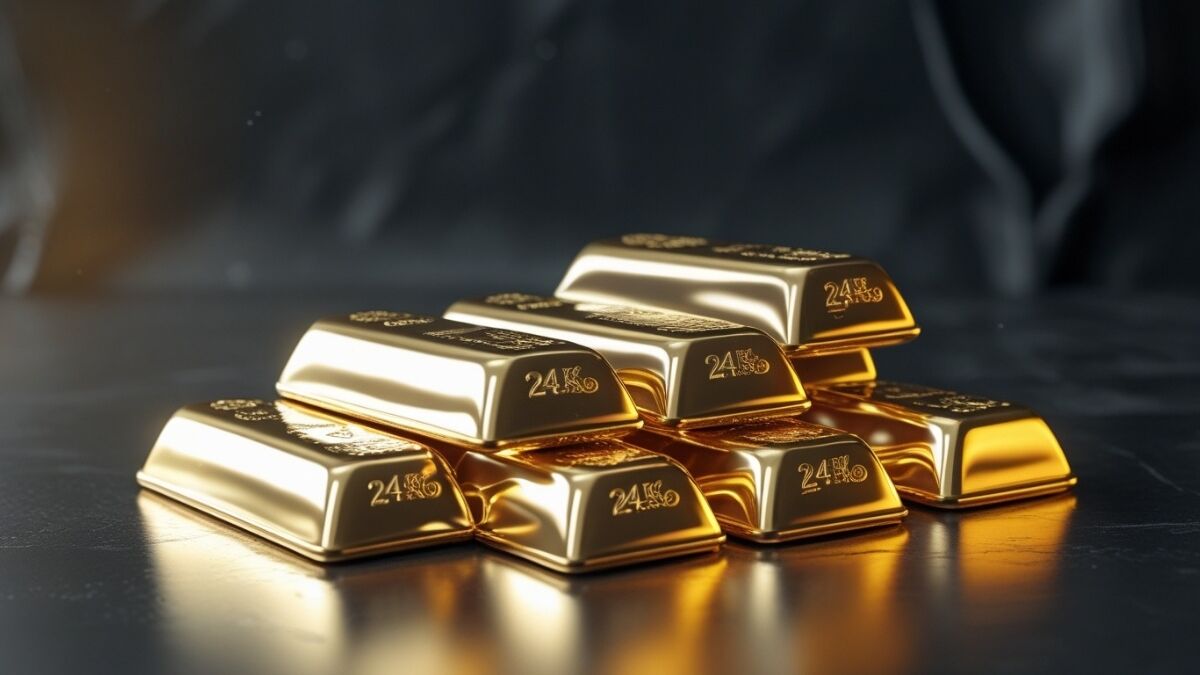
Gold prices have seen a dramatic recovery after a volatile week, driven by investor activity, geopolitical developments, and currency fluctuations. Here’s a detailed breakdown.
After a severe and volatile week for precious metals, investors returned to the market, and gold prices rose back above the $5,000-per-ounce threshold.
Gold Market Recovery and Asian Trade Impact
Early Asian trade saw an almost 2% increase in spot gold due to political developments in Japan and renewed purchasing enthusiasm. The yen was under pressure after Prime Minister Sanae Takaichi’s resounding election victory increased hopes of further fiscal easing. As investors look for assets that can hold their value, a weaker yen frequently increases demand for gold. Silver showed strong gains as well.
The recovery follows an exceptionally quick and forceful rally in which precious metals fell precipitously from record highs at the end of January. Gold is up around 15% so far this year, although it is still approximately 11% behind its peak on January 29.
Factors Driving Gold’s Surge
A combination of increasing geopolitical dangers, speculative trading, and increased concerns about currency devaluation propelled January’s spike. In favor of physical assets like gold, many investors moved away from government bonds and paper money. One of the main causes of last week’s dramatic price fluctuations, according to US Treasury Secretary Scott Bessent, was China’s intense trading activity.
Gold has recovered around half of its losses during the selloff. Strong structural demand for bullion continues to provide long-term support for major financial organizations such as Goldman Sachs and Deutsche Bank. In support of that opinion, data announced over the weekend revealed that China’s central bank has raised its gold reserves for the fifteenth consecutive month.
Focus on US Economic Data and Fed Policy
In order to predict the Federal Reserve’s next policy actions, market investors are now focusing on impending US economic statistics. Wednesday is the deadline for January employment data, and Friday is the deadline for January inflation data.
Meanwhile, when Kevin Warsh, President Donald Trump’s choice for Fed chair, stated support for tighter cooperation between the US Treasury and the Federal Reserve, questions about central bank independence have reappeared.
Current Prices of Gold and Other Metals
Gold was up 1.3% to $5,028.77 an ounce at 8:28 a.m. Singapore time. Platinum and palladium also slightly increased in value, and silver increased 1.7% to $79.18. Following a decline in the previous session, the Bloomberg Dollar Spot Index saw minimal movement.
📈 Gold Market Recovery & China Demand
- Record Recovery: Gold rebounds above $5,000 per ounce
- Major Support: Goldman Sachs & Deutsche Bank back long-term bullish trend
- China: Central bank raises gold reserves for 15th consecutive month
- Investor Focus: Physical gold demand rises amid market volatility
⚠️ US Fed & Market Implications
- Fed Watch: Investors monitoring upcoming employment & inflation data
- Policy Concerns: Kevin Warsh supports closer Treasury-Fed cooperation
- Market Effect: Gold reacts to interest rate expectations & dollar fluctuations
Frequently Asked Questions
1. What caused the current increase in gold prices above $5,000?
Political events in Japan, revived purchasing activity, and predictions of further fiscal easing that could devalue the yen all contributed to gold’s recovery after a tumultuous week. Gold frequently serves as a safe-haven asset for investors.
2. How much has the price of gold fallen from its most recent peak?
Despite an 11% decline from the January 29 record high, gold prices are still up 15% for the year, indicating robust demand and market volatility.
3. What elements influence the long-term demand for gold?
Geopolitical tensions, concerns about currency devaluation, a move away from government bonds, and regular official purchases by nations like China are long-term factors.
4. What effect does the Federal Reserve have on the price of gold?
US monetary policy frequently causes gold to react. The Fed can devalue the dollar and increase the appeal of gold as an investment if it maintains low interest rates or works more closely with the Treasury.
5. Are other valuable metals emulating the trend of gold?
Indeed, as a result of increased demand in the precious metals market, silver, platinum, and palladium have all increased in value in tandem with gold.
Conclusion
The latest surge of gold above $5,000 demonstrates the precious metals market’s tenacity in the face of severe turmoil. Investors continue to focus on gold and other metals as dependable stores of wealth because of the ongoing influence of fiscal policies, central bank operations, and geopolitical risks on prices.
Predicting future patterns in this market will require keeping an eye on forthcoming US economic statistics as well as international events.
Disclaimer: This content is for informational purposes only and does not constitute financial advice. Investors should conduct their own research before making investment decisions.