
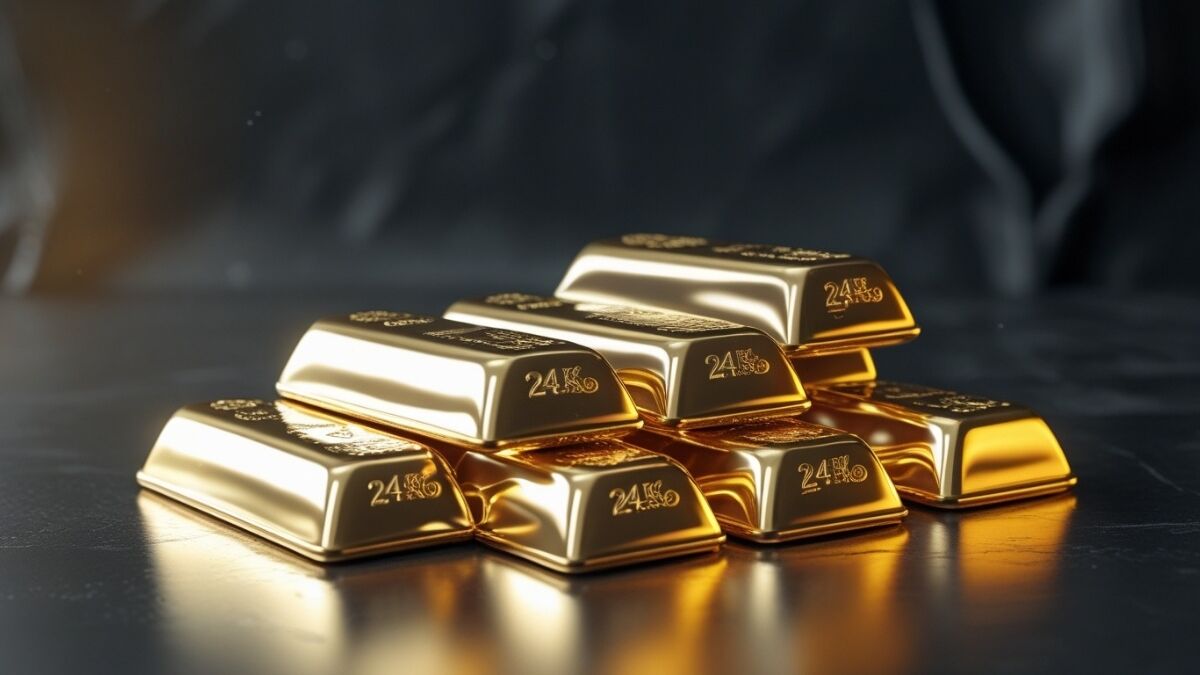
Precious metals are once again taking center stage in portfolios as investors struggle with ongoing global uncertainty, which includes sticky inflation, unpredictable equity markets, and geopolitical concerns.
Gold and Silver FoFs: Balancing Stability and Growth
A mix gold and silver fund of funds (FoFs), which invest in gold ETFs and silver ETFs in an effort to strike a balance between stability and growth, is an alternative to picking between gold and silver. The reasoning for these FoFs is based on the complimentary but essentially distinct roles that silver and gold play in a portfolio.
Gold has been considered a safe haven for investors for a long time. It typically does well in times of currency weakness, geopolitical unrest, and stock market declines. Demand for portfolio protection, de-dollarization trends, and aggressive central bank purchasing have all helped to boost gold prices in recent years. Gold has therefore produced consistent returns while protecting portfolios from severe stock market declines.
Silver’s Cyclical Role in Portfolios
In contrast, silver is far more cyclical. Although silver is also a precious metal, industrial applications such as solar panels, electric cars, electronics, and semiconductors account for almost half of its demand. As a result, silver’s growth is more closely linked to both modern technology and the global economic cycle.
Silver has consistently outperformed gold when precious metals enter a bull market, albeit with far greater volatility. A mixture of the two is appealing because of this divergence.
💎 Gold & Silver FoF Highlights
- Allocation: 50:50 gold-silver historically smoother returns
- Protection: Gold reduces losses during equity stress
- Growth: Silver drives upside in commodity bull markets
- Convenience: ETFs remove storage & purity concerns
- Strategy: FoFs automatically rebalance metals
Combining Gold and Silver for Optimal Portfolio Balance
A 50:50 allocation to gold and silver has historically produced a smoother return profile than silver alone, while producing higher returns than gold-only exposure over longer periods of time, according to data from Edelweiss Mutual Fund.
Gold helps to prevent losses during periods of stress in the equity market. Although silver may perform poorly during these times, its long-term growth drivers contribute to higher overall returns during commodity upcycles and recoveries. As a result, the combination allocation assists investors in avoiding extremes—being neither too volatile nor protective.
Historical Performance Examples
For example, silver has experienced deeper interim corrections in weaker years, but it has also enjoyed quite strong rises in the past year. Conversely, gold has had more steady performance and fewer drawdowns. A gold-silver combination aids in the equilibrium of these cycles.
For example, in the 2014 calendar year (CY), silver declined by 16% while gold yielded a negative return of 8%. In a similar vein, gold recorded a 4% negative return in 2021, while silver saw an 8% decline. However, silver outperformed gold’s 75 percent increase in 2025 with an incredible return of 167 percent.
How Gold & Silver FoFs Work
According to the data, silver has had deeper falls in the past but can also produce large gains. Instead of holding actual metals, gold and silver FoFs usually invest in gold ETFs and silver ETFs. This arrangement has a number of benefits.
To ensure transparency and reduced tracking error, ETFs first regularly monitor domestic spot prices of gold and silver. Second, ETFs offer daily liquidity and remove worries about real metals’ storage, purity, and insurance. Third, by managing the internal allocation and rebalancing of gold and silver, FoFs provide an additional degree of convenience.
Benefits of Rebalancing and Discipline
With periodic rebalancing to handle deviations brought on by price fluctuations, the majority of gold and silver FoFs seek to maintain an equal allocation between the two metals. Most retail investors find it difficult to book profits from successful assets and add to laggards on their own, but this methodical technique guarantees that investors accomplish just that.
The elimination of the necessity for tactical timing is one of the main benefits of gold and silver FoFs. Investors receive a ready-made diversification within commodities rather than having to choose when to expand their exposure to gold or place bets on the rally of silver.
📊 Why Invest in Gold & Silver FoFs
- Downside Protection: Gold cushions market downturns
- Upside Participation: Silver captures commodity rallies
- Discipline: Automatic rebalancing avoids timing mistakes
- Strategic Allocation: Suitable for long-term investors
- Diversification: Reduces reliance on equities & debt
Who Should Consider Gold and Silver FoFs?
The ideal investors for gold and silver FoFs are those who want to:
- Protect yourself from currency fluctuations and inflation
- Decrease the reliance of the portfolio on debt and stocks
- Engage in long-term topics like electrification and the energy transition (via silver)
- Steer clear of the severe volatility that comes with exposure to a single commodity.
The majority of financial consultants advise keeping exposure to precious metals to 10–15% of the whole portfolio, and a gold and silver FoF provides an easy, well-rounded method of doing so.
Gold and silver FoFs use structure, discipline, and diversification to try to provide both security and growth in an environment where both are important.
Frequently asked questions
1. What is a FoF of Gold and Silver?
Instead of investing in actual metals, a Gold and Silver Fund of Funds (FoF) makes investments in gold and silver ETFs. It offers a mixed exposure to both metals with the goal of balancing growth (silver) and safety (gold) in a single portfolio.
2. What distinguishes investing in actual gold or silver from a Gold & Silver FoF?
In contrast to physical metals, FoFs provide daily liquidity, pricing transparency, hassle-free storage, and automated gold and silver rebalancing. Investing becomes easy and methodical as a result.
3. Who ought to think about purchasing a Gold & Silver FoF?
Investors interested in long-term issues like energy transition and electrification, as well as those looking for a hedge against inflation, currency fluctuations, and equities market volatility, should give it some thought. Instead of short-term trading, it is perfect for strategic allocation.
4. What dangers are there?
Although the FoF smoothes returns, investors may still experience temporary corrections because silver is more cyclical and volatile than gold. To prevent overexposure, only 10% to 15% of the total portfolio should consist of precious metals.
5. In a Gold & Silver FoF, how does rebalancing operate?
The majority of FoFs keep the distribution of gold and silver equal. The FoF automatically invests in the underperforming metal and records gains from the outperforming one. Investors are less need to time the market thanks to this methodical strategy.
Conclusion
FoFs for gold and silver offer a practical means of striking a balance between portfolio growth and stability. While silver offers greater growth potential during economic recoveries and commodities upcycles, gold serves as a safe haven amid market turmoil.
These FoFs make investing in precious metals easier with automated rebalancing and ETF-based exposure, which makes them appropriate for investors looking for strategic diversification without having to deal with the significant volatility of single-metal exposure.
Disclaimer:
This content is for informational purposes only and does not constitute financial advice. Please consult a qualified financial advisor before making any investment decisions.
