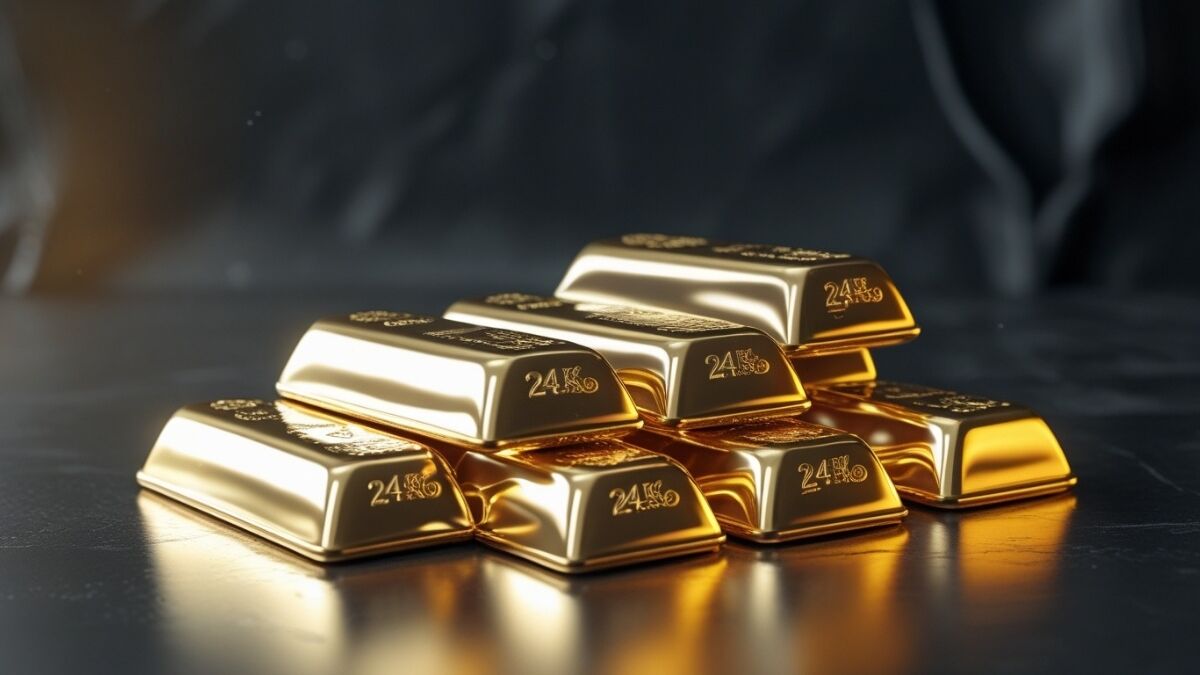
Gold River of India: The Subarnarekha River, which flows through West Bengal, Odisha, and Jharkhand, is renowned for being the country’s gold river. Its name means “Streak of Gold” because of the gold fragments that were discovered in its sandy bed.
Overview of the Subarnarekha River
This unusual rain-fed river rises close to Ranchi and travels 474 kilometers straight into the Bay of Bengal. Locals still search for microscopic “placer gold” grains at this location, which is rich in minerals and history.
India is a country with many rivers. The nation is home to around 400 rivers, both great and small. The Ganga basin is the largest of these 20 main river basins. With a length of more than 2,525 kilometers, the Ganga is also the longest river in India. The Brahmaputra, on the other hand, is renowned for being the broadest river, particularly during the monsoon. In India, many rivers have distinctive monikers.
Godavari and the Gold River
The Godavari is known as the “Dakshin Ganga” (Ganga of the South). However, which river is referred to as the “Gold River of India”? The river’s bed once contained actual gold flecks, which is how it got its name! Some people think that the precious metal may still be present in trace amounts in its sands.
Which river is referred to as the “Gold River”?
The Subarnarekha River is the river referred to be India’s Gold River. The Sanskrit terms “Subarna” (gold) and “Rekha” (line or streak) are the source of its name, which literally means “Streak of Gold”.
The Golden River’s Path
The Subarnarekha is a rain-fed river that traverses eastern India for roughly 474 kilometers.
- Where It Begins: About 15 kilometers from Ranchi in Jharkhand, in the Nagri hamlet, the river begins at Rani Chuan.
- The Journey: Travels eastward after passing across the Chota Nagpur Plateau and produces the well-known Hundru Falls, a 98-meter waterfall.
- States It Passes Through: Jharkhand, West Bengal, and Odisha.
- Where It Ends: The Subarnarekha is a separate river, in contrast to many that merge with larger ones. It empties immediately into the Bay of Bengal close to Talsari in the Odisha district of Balasore.
Ten Unknown Details Regarding the Subarnarekha
- The river is “auriferous”, which means gold-bearing rocks are naturally present in its bed.
- The majority of the gold discovered here is “placer gold”, which is defined as particles as small as a rice grain.
- The Karkari River, one of its tributaries, also contains gold particles that scientists think wash down from the nearby highlands.
- Although gold is present, its concentration is too low to make large-scale industrial mining economical.
- The river traverses some of the world’s oldest rock formations, which date back to the Archean period.
- In addition to gold, the river basin is abundant in rare minerals, such as copper and uranium, especially close to the Jadugora mines.
- It is one of the few rivers in India that flows into the sea without joining another river.
- The river appears frequently in the writings of renowned novelist Bibhutibhushan Bandyopadhyay and Nobel laureate Rabindranath Tagore.
- In his 1965 film Subarnarekha, director Ritwik Ghatak employed the river as a potent metaphor for survival and optimism.
- Due to its rain-fed nature, the river is prone to abrupt “flash floods” during the monsoon, which frequently force its sandy banks to change shape overnight.
The Yellow River
Known as the “Cradle of Chinese Civilization,” the Yellow River, also known as Huang He, is China’s second-longest river. The enormous amounts of yellow loess sediment (fine silt) it collects while running through the Loess Plateau are the source of its well-known moniker. The water takes on a distinctive golden-yellow hue due to this silt. It is known as “China’s Sorrow” because of its history of catastrophic floods.
Diamond River (India)
The Krishna River has a well-known connection to diamonds in India. The fabled Kollur Mines, which were a part of the Golconda diamond region, once stood on the banks of this river in Andhra Pradesh. Some of the most well-known diamonds in the world, such as the Koh-i-Noor and the Hope Diamond, came from this “Diamond River”.
Silver River
The “River of Silver” is the direct translation of the Spanish name for the Río de la Plata, which lies between Uruguay and Argentina. During the era of exploration, European conquerors thought the area was full of enormous silver treasures, which is how it got its name. The myth of the “Silver Mountains” nearby was so powerful that Argentina was named after the Latin word for silver, argentum, even though the water itself typically appears brown due to heavy silt.