
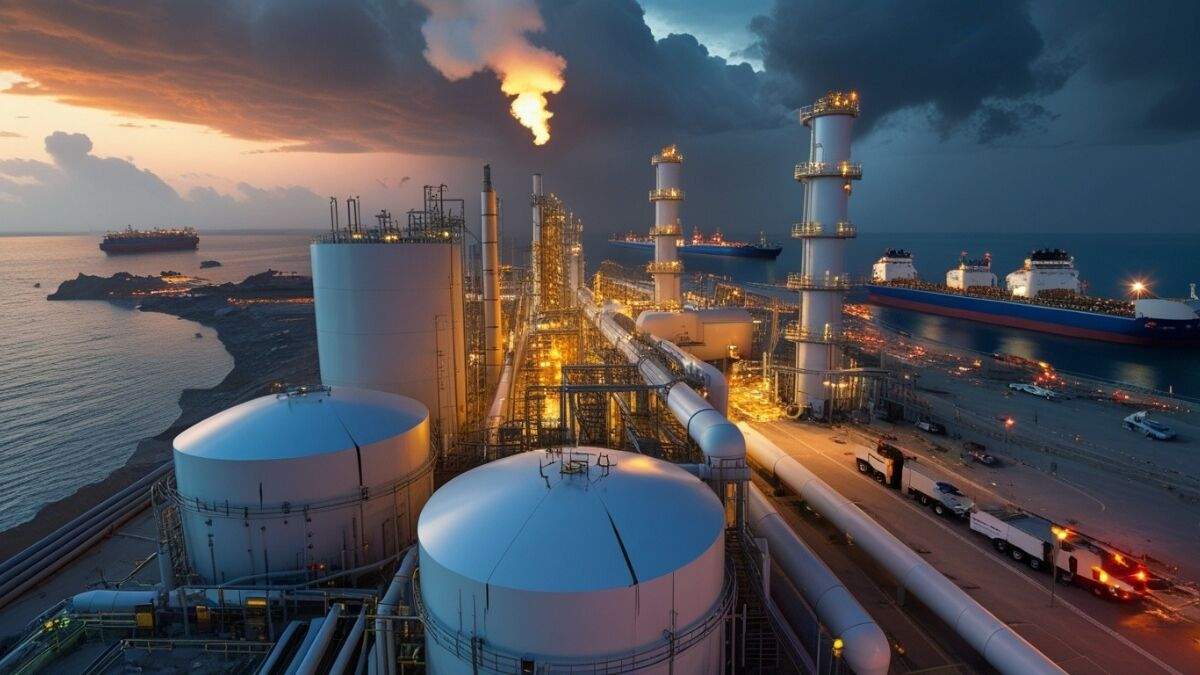
India is adjusting its energy strategy amid global supply disruptions, increasingly turning to alternative sources like the United States to secure LPG supplies and reduce geopolitical risks.
In light of supply interruptions in West Asia, India is increasingly turning to the US as a substitute source for liquefied petroleum gas (LPG), according to a new report by S&P Global Energy.
Shift from West Asia to US LPG Supplies
The change coincides with the region’s continued tensions, which have restricted the flow of gas and crude oil over the Strait of Hormuz, a vital transit route for international energy exports.
🔄 India LPG Supply Shift
- Reason: West Asia supply disruptions
- New Source: Increased imports from the US
- Key Route: Strait of Hormuz disruption
- Global Impact: Tight LPG cargo availability
- Strategy: Diversification of supply sources
Global LPG Shortage and Market Impact
According to analysts, the global LPG market is now experiencing a scarcity of cargoes due to interruptions in West Asia, which supplies about 30% of the world’s LPG. This has tightened overall availability and pinched the spot cargo pool.
India, which produces around 41% of the LPG it needs domestically, is mostly dependent on imports.
India’s Dependence on Imports
The Gulf area has historically been a major provider, accounting for around 60% of India’s LPG usage. However, US-origin LPG exports to India have increased, surpassing amounts from traditional Gulf suppliers as supply problems worsen.
Shipments that are already on way have also been affected by the disruption. Approximately 1.67 million tonnes of crude oil, 3.2 lakh tonnes of LPG, and approximately 2 lakh tonnes of liquefied natural gas (LNG) are now trapped on 22 Indian-flagged tankers in the Persian Gulf as they wait for permission to cross the Strait of Hormuz, according to government authorities.
🚢 LPG Disruption & Tanker Status
- Stranded Tankers: 22 Indian ships
- Crude Oil: 1.67 million tonnes
- LPG: 3.2 lakh tonnes
- LNG: ~2 lakh tonnes
- Issue: Waiting to cross Strait of Hormuz
Relief from Successful Shipments
Two state-owned very large gas carriers (VLGCs), Shivalik and Nanda Devi, successfully traversed the route earlier this week despite the backlog, bringing a combined load of more than 92,000 metric tons of LPG to Indian beaches and somewhat relieving domestic supplies.
Indian oil marketing businesses have obtained a term contract for 2.2 million metric tonnes of US-origin LPG for 2026, which translates to around four VLGC cargoes each month, in a calculated attempt to diversify their supply. India bought around 480,000 metric tons of LPG from the US in only the first two months of the year, which is equal to almost 11 VLGC ships.
Changing Import Trends
Current data shows that the import pattern is changing. India’s weekly imports of LPG decreased from 322,000 metric tonnes on March 5 to 265,000 metric tonnes in the week ending March 19. Interestingly, West Asian inflows fell precipitously to 89,000 metric tons at that time, making up just 34% of all imports—the lowest percentage since January.
On the other hand, supply from other areas increased to 176,000 metric tons the same week from zero the week before, when West Asia made up the whole import basket. The changing supply dynamics highlight India’s attempts to reduce the risks associated with geopolitical upheavals and guarantee that its domestic market would continue to receive energy supplies.
Frequently Asked Questions
1) Why is India changing the source of LPG?
Due to supply difficulties in West Asia, particularly in the Strait of Hormuz, which have limited cargo availability and raised concerns about energy security, India is changing where it sources its LPG.
2) Why is the US becoming a major supplier?
Because of its plentiful shale gas production, steady export capability, and potential to promptly provide cargoes in the event of interruptions to traditional Gulf suppliers, the United States has emerged as a major producer of LPG.
3) To what extent does India rely on imports of LPG?
Only around 41% of India’s entire consumption demands are met by local production, therefore the country is significantly dependent on LPG imports, which provide about 59% of its needs.
4) What issues are presently impeding LPG shipments?
Geopolitical tensions in West Asia, traffic in the Strait of Hormuz, stranded ships, delayed shipments, and decreased cargo availability are some of the current issues that are causing the world’s supply to tighten.
5) In the face of interruptions, how is India guaranteeing energy security?
By obtaining long-term contracts, expanding imports from the US, diversifying its sources, and keeping strategic reserves to efficiently manage brief supply interruptions, India is assuring energy security.
Conclusion
In the face of tightening global supplies and persistent regional disruptions, India’s move toward US LPG emphasizes strategic diversification, lowering dependence on West Asia, managing geopolitical risks, and bolstering long-term energy security.
Disclaimer: This article is for informational purposes only. Energy markets and geopolitical conditions are subject to rapid change.
