
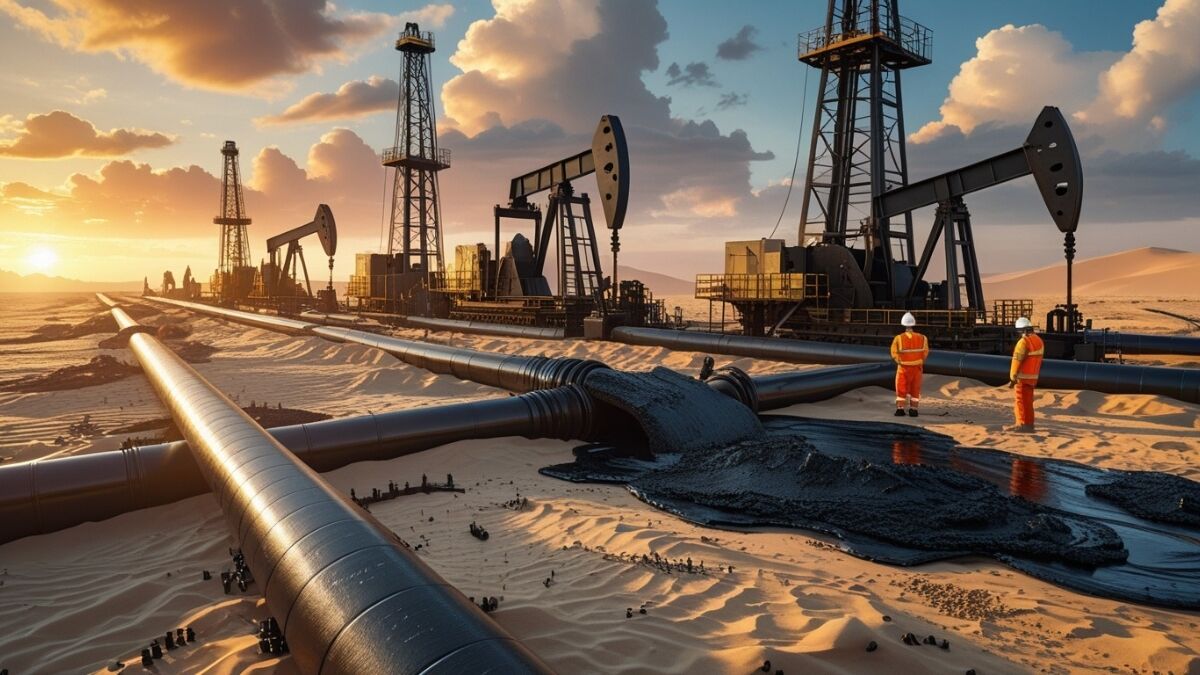
Intro: This article explains how the India–US trade agreement has reshaped global oil flows, reduced India’s dependence on Russian crude, and strengthened China’s position as the largest buyer of discounted Russian oil.
The trade agreement between the US and India has made it more difficult to buy Russian oil. Under the agreement, the United States has reduced the 50 percent tariffs on India by 25 percentage points, provided that New Delhi ceases buying crude oil from Russia.
India-US Trade Agreement and Russian Oil Impact
Now, the US and Venezuela will have to supply the Modi government with oil. The sources state that Russia is now supplying more oil to China, while India has drastically cut back on its purchases of Russian oil. According to reports, following the India-US trade agreement, Russia has further reduced oil costs and made oil more affordable for China.
Russia Redirects Oil Supplies to China
According to news agency Reuters, this week saw a significant increase in the discounts on Russian oil supplies to China. China is the biggest buyer of crude oil worldwide, thus oil sellers are cutting prices to increase demand.
This is to make up for a possible decline in sales to India. China will be the only significant purchaser of inexpensive Russian crude if India ceases purchasing Russian oil. It is significant to remember that Russia is already dealing with dwindling Indian demand as a result of Western sanctions.
China Emerges as Primary Buyer of Discounted Russian Crude
Here are a few important details:
January saw the greatest growth in the oil trade between China and Russia.
According to Kpler data, China imported a record 1.7 million barrels of crude oil per day by sea from Russia in January.
Record Russian Oil Imports by China
In January, China imported 1.64 million barrels of Russian oil per day, the most since March 2024.
According to a study by OilPrice.com, Russia shipped 18.6 million barrels per day (bpd) of oil to China via marine channels in January.
JPMorgan View on Chinese Refiners
According to JPMorgan experts, including Natasha Kaneva, China’s independent refiners stand to gain the most from this circumstance.
China is purchasing the majority of Russian oil due to favorable local policy and steep discounts.
As a result, they are making more money, producing more, and fortifying their strategic reserves.
India’s Continued But Reduced Russian Oil Purchases
Natasha Kaneva and other JPMorgan analysts believe that India would continue to purchase 800,000 to 1 million barrels of Russian crude oil every day even after the trade agreement with the US. Between 17 to 21 percent of India’s overall imports of crude oil would come from this.
India was purchasing almost two million barrels of oil per day from Russia as of last June. India’s daily imports of Russian oil dropped to 1.1 million barrels in January, the lowest amount since November 2022, according to Kpler data.
🌍 India–US Trade Deal & Oil Realignment
- Tariff Relief: US cut tariffs on India by 25 percentage points
- Condition: Gradual reduction in Russian oil imports
- Alternative Suppliers: US and Venezuela
- Immediate Impact: Sharp drop in Indian purchases of Russian crude
- Global Effect: Shift in oil trade flows toward China
📈 China’s Strategic Gain from Cheap Russian Crude
- Major Buyer: World’s largest crude oil importer
- Discounts: Deep price cuts by Russia
- Main Beneficiaries: Independent Chinese refiners
- Outcome: Higher margins and increased production
- Strategic Edge: Expansion of China’s oil reserves
Frequently Asked Questions
1. What impact has the US-India trade agreement had on Russian oil imports?
India is under pressure to cut back on its purchases of Russian crude oil as a result of the trade agreement between the US and India. In exchange for New Delhi gradually ceasing to purchase Russian oil, the United States lowered tariffs on Indian exports as part of the deal, which caused a noticeable decline in India’s imports.
2. What is the reason for Russian oil tankers switching to China from India?
Russia has diverted oil shipments toward China as India reduces its imports of Russian crude. China is now the main market for Russia’s seaborne oil exports since it has given Chinese clients larger discounts in an effort to maintain export volumes and market share.
3. In what ways is cheap Russian oil helping China?
The biggest importer of crude oil in the world, China, is profiting greatly from cheap Russian oil. In order to increase refinery margins, enhance output, and fortify China’s strategic oil stocks, independent Chinese refiners are buying in bulk at reduced costs.
4. Is India going to cease purchasing Russian oil altogether?
No, experts predict that India will keep importing Russian oil, but in smaller quantities. As refiners weigh cost and supply security, estimates indicate that India may still buy 800,000 to 1 million barrels of crude oil per day, or about 17% to 21% of its overall imports.
5. How will this change affect the world’s oil markets?
Global oil trade flows are changing as a result of the change. Geopolitical power over energy markets is growing as a result of Russia’s growing reliance on China, China’s leveraging through cheaper supplies, and India’s diversification toward alternate sources like the US and Venezuela.
Conclusion
India’s dependency on Russian oil has decreased as a result of the India-US trade agreement, which has also forced Russia to strengthen its ties with China by offering steep price reductions.
India is adjusting its energy strategy to strike a balance between geopolitical obligations and economic realities as China solidifies its position as the biggest purchaser of inexpensive Russian crude. This changing dynamic demonstrates how the oil trade has developed into a potent geopolitical instrument that affects market stability, strategic alliances, and diplomacy throughout Asia and beyond.
Disclaimer: This article is based on publicly available reports and expert analysis. Market conditions and geopolitical developments may change over time.
