
Rising tensions between the United States and Iran continue to shake global markets and diplomatic relations. As peace proposals face rejection, the conflict is intensifying with economic and humanitarian consequences worldwide.
A senior Iranian official told Reuters on Thursday that a U.S. proposal to cease nearly four weeks of combat is “one-sided and unfair,” while U.S. President Donald Trump stated that Iran must reach an agreement or risk an ongoing assault.
Iran Rejects U.S. Peace Proposal
According to the Iranian official, senior Iranian officials and the representative of Iran’s Supreme Leader “examined in detail on Wednesday night” the proposal that Pakistan had delivered to Tehran.
The official stressed that diplomacy had not ended despite the current lack of a workable framework for peace negotiations, adding that it mainly served Israeli and American interests and lacked the necessary conditions for success.
Rising Diplomatic Tensions
Although the Iranians are “excellent negotiators,” Trump said he was not sure if he was “ready to make a deal with them to end the war.” On February 28, the United States and Israel invaded Iran, sparking the start of the conflict. Since then, Iran has attacked Israel, American outposts, and Gulf states. “They now have the potential, that is Iran, to permanently forsake their nuclear ambitions and to join a new route forward,” Trump stated during a White House Cabinet meeting. “If they do not want to do it, we are their greatest nightmare. Let us see.” We will just keep blowing them away in the meanwhile.”
His remarks coincided with the conflict’s increasing economic and humanitarian costs, as gasoline shortages stretched around the globe, forcing businesses and nations to work quickly to manage the consequences.
📊 Key Conflict Highlights
- Peace Proposal: 15-point U.S. plan rejected by Iran
- Main Concern: Proposal seen as one-sided
- Conflict Duration: Nearly four weeks ongoing
- Global Impact: Rising fuel shortages and economic stress
Negotiation Efforts and Mediation
The United States had delivered a “15-point action plan” as a starting point for talks to end the war, according to U.S. Special Envoy Steve Witkoff, who also noted that Tehran was interested in reaching an agreement.
According to Pakistan’s foreign minister, “indirect conversations” between the United States and Iran are occurring through communications that Islamabad is relaying. Other nations, including as Egypt and Turkey, are also assisting the mediation efforts.
However, Iran’s foreign minister stated on Wednesday that this did not qualify as a negotiation. “We have no intention of negotiating, and our aim is to continue resistance and defend the country,” stated Abbas Araqchi. Given the viewpoints put up by both sides, any negotiations, if they were to take place, would probably be extremely challenging.
Details of the 15-Point Plan
The 15-point plan to stop the confrontation, according to sources and publications, calls for anything from effectively transferring control of the Strait of Hormuz to destroying Iran’s nuclear program and limiting its missiles.
According to Iranian sources, Iran has stiffened its position since the start of the conflict, calling for formal control of the Strait, compensation for casualties, and assurances against further military action. According to regional insiders, it also instructed middlemen that any ceasefire agreement must include Lebanon.
🌍 Global Impact of the Conflict
- Energy Shock: Largest disruption in history
- Oil Supply: Strait of Hormuz severely impacted
- Industries Affected: Airlines, retail, technology, tourism
- Food Crisis Risk: Millions may face severe hunger
Leadership Changes and Military Escalation
Trump has not stated who the United States is negotiating with in Iran, despite the fact that thousands of people have died in the conflict throughout the Middle East, including many high-ranking officials.
After Ayatollah Ali Khamenei was assassinated on the first day of the war, his son Mojtaba took over as Iran’s supreme leader. Since then, he has been injured and has not been seen in public.
The U.S. had adopted a “maximalist” stance, according to a Western diplomat, and there were questions about whether Washington was actually trying to end the war or if it was just buying time to calm markets in anticipation of a possible combat operation.
Recent Attacks and Escalation
Iran fired several missile waves at Israel on Thursday, setting off air raid sirens in Tel Aviv and other locations and injuring at least five people.
According to Iran’s Tasnim news agency, two adolescent brothers were killed in attacks that struck a residential area in the southern city of Bandar Abbas and a town outside the southern city of Shiraz. There were reports of an attack on an Isfahan university facility.
According to Israeli officials, Israel assassinated the Iranian Revolutionary Guards’ naval commander and had many more targets as it weakened Iran’s capabilities.
However, a Pakistani source with knowledge of the conversation told Reuters that Israel removed Araqchi and Iranian Parliament Speaker Mohammad Baqer Qalibaf from its kill list after Pakistan encouraged Washington to press Israel not to target individuals who might be bargaining partners. A spokesman for the Israeli military declined to comment.
Economic Consequences
With oil prices starting to rise again on Thursday, hopes of a settlement to the war that had lifted global financial markets in the previous session faded. The war’s aftermath, which has resulted in the greatest energy shock in recorded history, has extended well beyond the area.
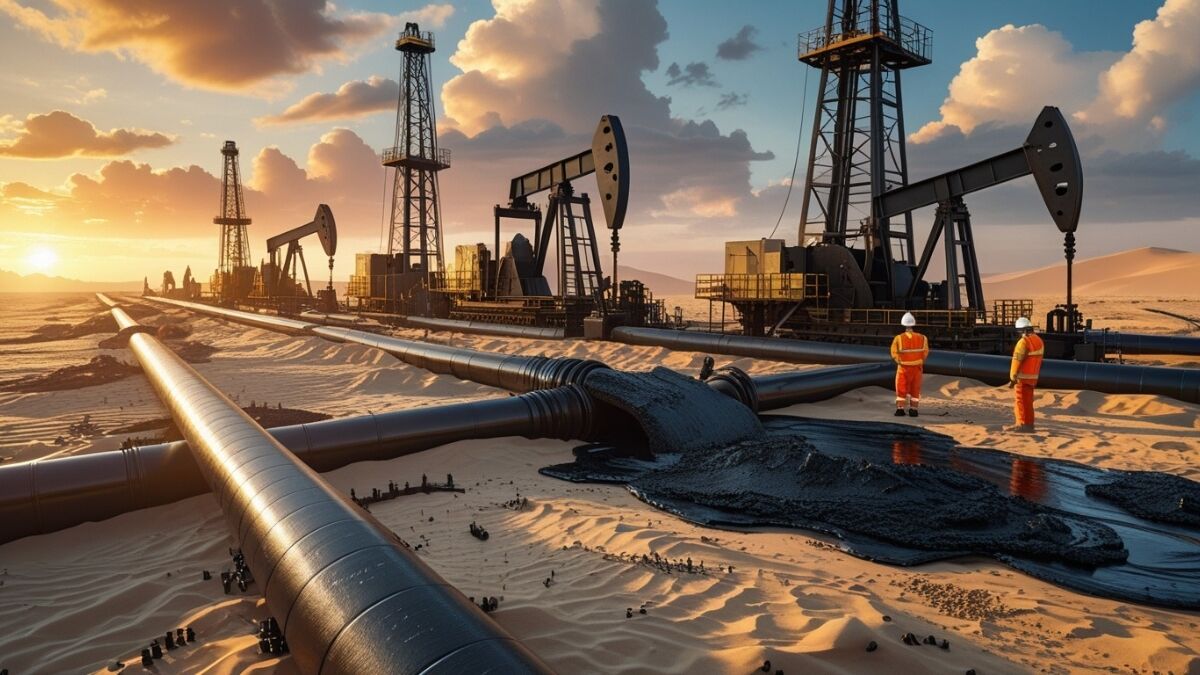
The closure of the Strait of Hormuz, which serves as a conduit for a fifth of the world’s oil and liquefied natural gas, is having an impact on a variety of industries, including plastics, airlines, technology, retail, and tourism.
Support measures from the COVID epidemic are being considered by several governments. According to the World Food Programme, tens of millions more people would experience severe hunger if the conflict lasts until June, and farmers are having difficulty finding diesel for their tractors.
On Thursday, drone and missile exchanges took place around the Gulf. According to the administration, debris from an intercepted ballistic missile in Abu Dhabi killed two individuals and injured three more.
Frequently Asked Questions
1. What made Iran reject the peace offer from the United States?
Iran described the proposal as unjust and one-sided, claiming that it only serves Israeli and American interests while ignoring Iran’s core demands, such as reparations and security assurances.
2. What does the U.S. 15-point plan include?
In order to lower threats to international security, the plan allegedly calls for Iran to abandon its nuclear program, restrict its missile capabilities, and grant authority over the Strait of Hormuz.
3. Are negotiations ongoing between the United States and Iran?
Iran has made it plain that it is not formally negotiating at this time, but indirect negotiations are taking place through nations like Egypt, Turkey, and Pakistan.
4. What impact is the conflict having on the world economy?
A significant worldwide energy shock has resulted from the war’s disruption of oil supply, rise in fuel costs, and effects on sectors like industry, agriculture, and aviation.
5. What are Iran’s primary demands for a peace agreement?
Iran demands financial compensation, control over strategic areas including the Strait of Hormuz, assurances against future assaults, and inclusion of regional allies in accords.
Conclusion
As both parties hold firm views, the conflict is getting worse and there is no quick sign of a peace. This raises threats to the world economy and intensifies humanitarian concerns throughout the Middle East.
Disclaimer: This content is for informational purposes only and does not constitute political or investment advice.