
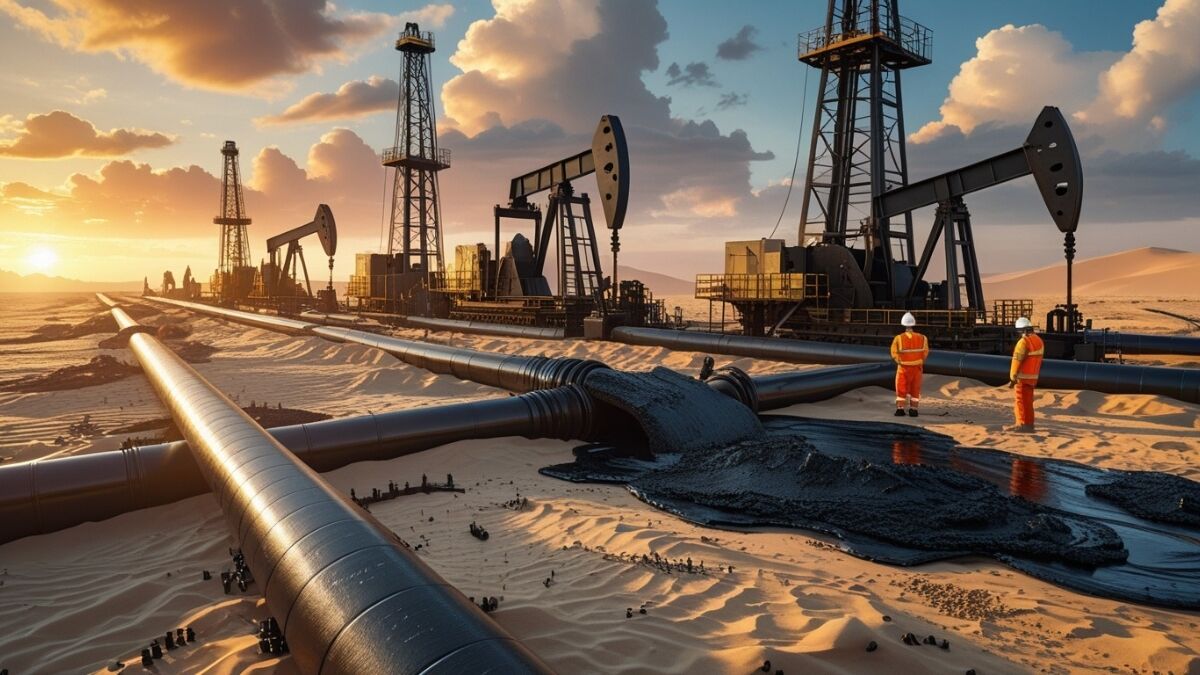
Iran War Updates: A new issue has emerged as a result of the continuing conflict in the Middle East. By obstructing energy supply across the Strait of Hormuz, Iran caused a worldwide oil and gas crisis.
New Threat Emerges Amid Iran Conflict
These days, there is also a hazard to the underwater internet cables that travel this similar path. These might cause global disruptions to the internet. In several nations, including India, banking and digital services may potentially be impacted.
The Strait of Hormuz and the Bab-el-Mandeb in the Red Sea are two of the world’s most important sites, according to the research. Beneath them is an extensive network of fiber optic lines.
Undersea Cable Risk Raises Global Concerns
🌐 Global Internet Risk Alert
- Threat Area: Strait of Hormuz & Red Sea
- Risk: Damage to undersea internet cables
- Impact: Internet, banking, AI services disruption
- Countries Affected: Global, including India
- Reason: Ongoing Iran conflict & attacks
- Severity: High (critical global infrastructure)
Shipping and insurance firms are concerned about allegations that Iran has installed undersea tunnels in Hormuz. Houthi organizations supported by Iran are assaulting ships in the Red Sea. Both locations are above seafloor fiber optic cables.
The length of these cables is thousands of kilometers. They handle almost all of the data on the worldwide internet, including email, video conversations, banking, and artificial intelligence services. They are easy to target since the Strait of Hormuz is just 200 feet deep at its narrowest point.
Major Internet Cables at Risk
⚠️ Critical Cable Systems
- Total Cables: 20+ across Hormuz & Red Sea
- Red Sea Links: 17 major cables
- Key Networks: AAE-1, Falcon, GBI, Tata-TGN
- Coverage: Europe, Asia, Africa
- India Impact: Direct international connectivity
- Data Type: Banking, AI, video, email
At least twenty cables span the Strait of Hormuz and the Red Sea. Seventeen cables that link Europe, Asia, and Africa cross the Red Sea. AAE-1, Falcon, Gulf Bridge International, and Tata-TGN Gulf are some of Hormuz’s current cables. These lines provide direct support for India’s international data connections.
The global internet is powered by these tiny undersea wires. They provide artificial intelligence services, financial transactions, email, and video conversations. Additionally, Google, Microsoft, and Amazon have constructed enormous data centers in nations like Saudi Arabia and the United Arab Emirates. These undersea lines link them all, and they are all working. This implies that they are essential to the digital life of the globe.
Frequently Asked Questions
1. Why are undersea cables important?
Undersea cables carry nearly all global internet data including banking, emails, video calls, and AI services, making them critical infrastructure.
2. What risk do these cables face?
They may be damaged due to conflict, missile strikes, or sabotage in regions like the Strait of Hormuz and Red Sea.
3. How can this impact India?
India may face disruptions in banking, digital payments, internet speed, and international connectivity.
4. Which cables are most important?
Major cables include AAE-1, Falcon, Gulf Bridge International, and Tata-TGN Gulf that connect Asia, Europe, and Africa.
5. Can global internet be affected?
Yes, damage to these cables can slow or disrupt internet services worldwide due to their central role in global data flow.
Conclusion
The growing threat to undersea internet cables highlights a new digital risk in the Middle East conflict. Any disruption could impact global connectivity, financial systems, and daily digital life, making this crisis more than just an energy issue.
Disclaimer: This article is for informational purposes only and based on current reports. Situations may change rapidly.
