
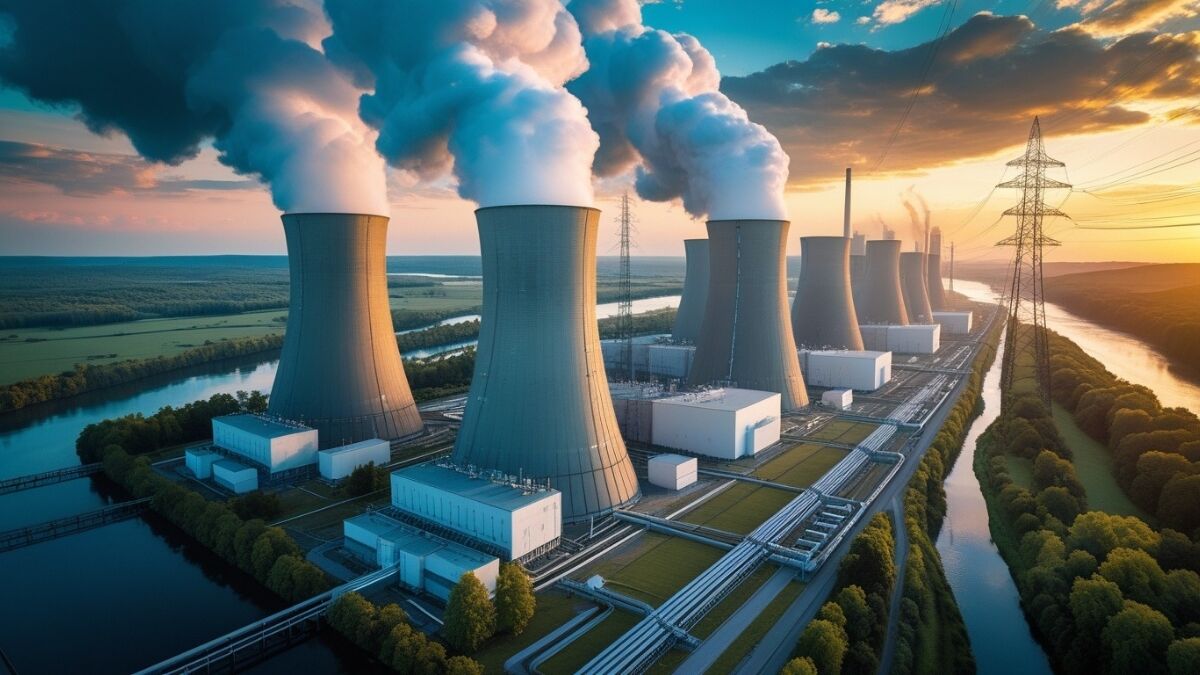
The US Department of Energy (DOE) and NASA are collaborating to construct a nuclear reactor on the moon. until order to sustain long flights under the Artemis program and upcoming Mars missions, this collaboration was extended until January 2026.
NASA Lunar Nuclear Reactor Project
DOE and NASA signed a memorandum of intent to collaborate closely. Their goal is to develop a fission surface power system. This tiny nuclear reactor generates electricity through fission.
For years, the system will provide safe, consistent electricity without frequently requiring fresh fuel. It expands upon more than half a century of collaborative efforts between the two agencies. This contributes to the beginning of a new “Golden Age” of space exploration, according to NASA Administrator Jared Isaacman. The Moon’s evenings are long, lasting roughly two weeks.
Why Solar Panels Are Not Enough
Then, solar panels are unable to generate electricity. There is ice in places like shaded craters, but there is no sunshine to generate solar energy. No matter the time of day or the weather, a nuclear reactor consistently produces electricity. It will support habitats, rovers, bases, and scientific instruments.
Advancing Beyond Previous Missions
Voyager probes and other earlier missions used less radioisotope power. For actual bases, this new system is larger and more robust. A system that generates at least 40 kilowatts of electricity is the goal of the proposal. This is sufficient to power roughly thirty residences on Earth continuously.
For larger needs, some updates state targets of up to 100 kilowatts. In the hostile lunar environment, the reactor must endure for a minimum of ten years. It will be lightweight, secure, and simple for astronauts or robots to assemble.
Impact on Lunar Missions and Mars Exploration
Larger bases and longer stays will be possible on the Moon with a dependable power source. It will also aid in testing technology for journeys to Mars. Nuclear power can shorten Mars trip times and lower crew radiation hazards. This initiative further US President Donald Trump’s objective of US leadership in space.
NASA and DOE want to collaborate with businesses to build the reactor and get it ready for flight as quickly as possible. We are getting closer to living and working in other worlds with this phase.
🌕 NASA Lunar Nuclear Reactor Highlights
- Agencies: NASA & US Department of Energy (DOE)
- System: Fission Surface Power
- Power Output: 40–100 kilowatts
- Mission Support: Moon bases, rovers, habitats, instruments
- Duration: At least 10 years
- Significance: Prepares for Artemis and Mars missions
⚡ Strategic Benefits of Lunar Nuclear Reactor
- Continuous Power: Works during long lunar nights & in shadowed craters
- Supports Human Habitats: Enables longer stays on the Moon
- Technology Testing: Preps for Mars missions & advanced space tech
- Reduced Risks: Lowers radiation exposure for astronauts
- Lightweight & Safe: Easy setup by robots or astronauts
Frequently Asked Questions
1. For what reason is NASA constructing a nuclear reactor on the moon?
For extended lunar missions, NASA needs a dependable power supply, particularly in shadowed craters where solar energy is not available and during the Moon’s long nights (about 14 Earth days).
2. What kind of nuclear system is under development?
NASA and DOE are working on a Fission Surface Power system, which is a miniature nuclear reactor that can produce at least 40 kilowatts of electricity continuously via fission.
3. For what duration will the reactor run?
Without frequent refueling, the reactor can operate safely in the hostile lunar environment for at least ten years.
4. What will the lunar reactor power?
Longer stays and more complex missions will be possible thanks to the electricity it will supply for bases, scientific equipment, rovers, and habitats.
5. How will this benefit upcoming Mars missions?
NASA can test technology for Mars, shorten transit times, control astronaut radiation risks, and support larger habitats on other worlds with the help of a dependable nuclear power plant.
Conclusion
Future Mars exploration and a viable human presence on the Moon depend on NASA’s lunar nuclear reactor. It allows for longer missions, larger bases, and the testing of cutting-edge space technology by supplying steady, dependable power independent of sunlight. This invention marks a significant advancement in US space exploration capability.
Disclaimer
This content is for informational purposes only and does not constitute scientific, technical, or investment advice. Verify facts independently.