
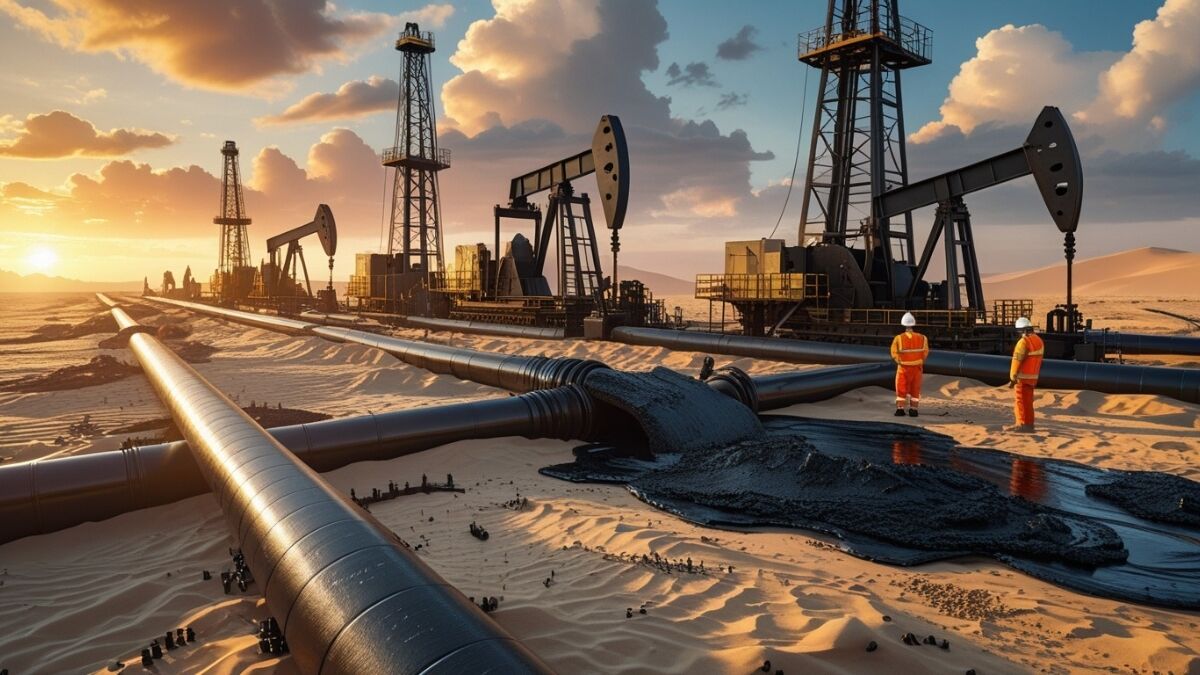
OPEC+ is preparing to respond to the ongoing global oil crisis triggered by the US-Iran conflict by potentially increasing output, signaling readiness to stabilize markets once key supply routes reopen.
OPEC+ May Increase Oil Output Amid Global Crisis
According to two OPEC+ sources, OPEC+ is expected to consider increasing oil output when its eight members meet on Sunday. This would put important producers in a position to add more barrels in the event that the Strait of Hormuz, the world’s most crucial oil route that is currently closed due to the US-Israeli war with Iran, reopens.
OPEC+ agreed on a small increase in output of 206,000 barrels per day for April at its most recent meeting on March 1. The group had held output stable in the first quarter due to worries about oversupply, just as the US-Israeli war with Iran started to impair oil deliveries from important West Asian members. One month later, the conflict has caused the biggest disruption to the oil supply ever.
Strait of Hormuz Crisis and Supply Disruption
Due to the effective shutdown of Hormuz, which accounts for more than 20% of oil transportation, top OPEC producers Saudi Arabia, Iraq, Kuwait, and the United Arab Emirates have reduced output. The price of crude has risen to above $120 per barrel, a four-year high. Drone assaults also interfere with Russian productivity.
May output quotas would typically be decided during the meeting on Sunday. Although there is currently no indication that Hormuz will reopen, one source stated that OPEC+ would probably consent to an increase that would not significantly affect supply right away but would indicate a readiness to increase output once tankers are allowed to restart shipments across the strait.
🛢️ Oil Market Key Facts
- OPEC+ Output Increase: 206,000 bpd (April)
- Oil Price: $120+ per barrel
- Hormuz Impact: 20% of global oil supply
- Top Producers Affected: Saudi, Iraq, Kuwait, UAE
- Global Disruption: Historic supply shock
- Market Strategy: Output readiness
Market Reaction and Strategy
The OPEC+ source stated, “We need to react, at least on paper.” Requests for reaction from OPEC and Saudi Arabian and Russian officials were not immediately answered.
The shutdown of the waterway has little effect on the other eight OPEC+ nations—Russia, Kazakhstan, Algeria, and Oman—but they have little ability to increase production. Iran is one of the 22 members of OPEC+, but only the eight nations have participated in monthly output decisions in recent years.
Following President Donald Trump’s announcement on Wednesday that the US will finish its assault on Iran relatively soon, oil fell toward $100. However, it recovered on Thursday when he declared that the US would continue its attacks on Iran. Another OPEC+ source stated, “Now the market requires every barrel that can be produced.”
Alternative Export Routes and Capacity
Both the United Arab Emirates and Saudi Arabia have export routes that avoid the strait. As the nation reroutes supplies, Saudi crude exports through Yanbu on the Red Sea coast have increased to almost 4.6 million barrels per day, almost at capacity.
Fujairah, which is located outside the strait, is still where the UAE exports. According to Kpler, Fujairah crude and condensate shipments increased from 1.17 million bpd in February to 1.61 million bpd in March, making up almost half of all UAE exports prior to the start of the conflict.
Future Production Plans
From April 2025 to December 2025, the eight OPEC+ nations increased their production limits by around 2.9 million barrels per day, or about 3% of the world’s demand, before stopping the increases for January through March 2026.
Frequently Asked Questions
1) Why is OPEC+ considering increasing oil output?
To prepare for potential supply disruptions and respond to global demand, especially if the Strait of Hormuz reopens.
2) How has the conflict affected oil prices?
Oil prices have surged above $120 per barrel due to supply disruptions and geopolitical instability.
3) What role does the Strait of Hormuz play?
It handles over 20% of global oil transportation, making it a critical global energy route.
4) Are all OPEC+ members able to increase production?
No, only key members like Saudi Arabia and UAE have significant spare capacity to increase output.
5) What is OPEC+ trying to achieve with this strategy?
The group aims to stabilize markets while remaining flexible to increase supply if conditions allow.
Conclusion
OPEC+ is taking a cautious yet proactive approach, balancing current supply disruptions with future readiness. While geopolitical tensions remain high, the group’s strategy reflects an attempt to stabilize global oil markets and respond quickly to changing conditions.
Disclaimer: This content is for informational purposes only and does not constitute financial or investment advice.
