
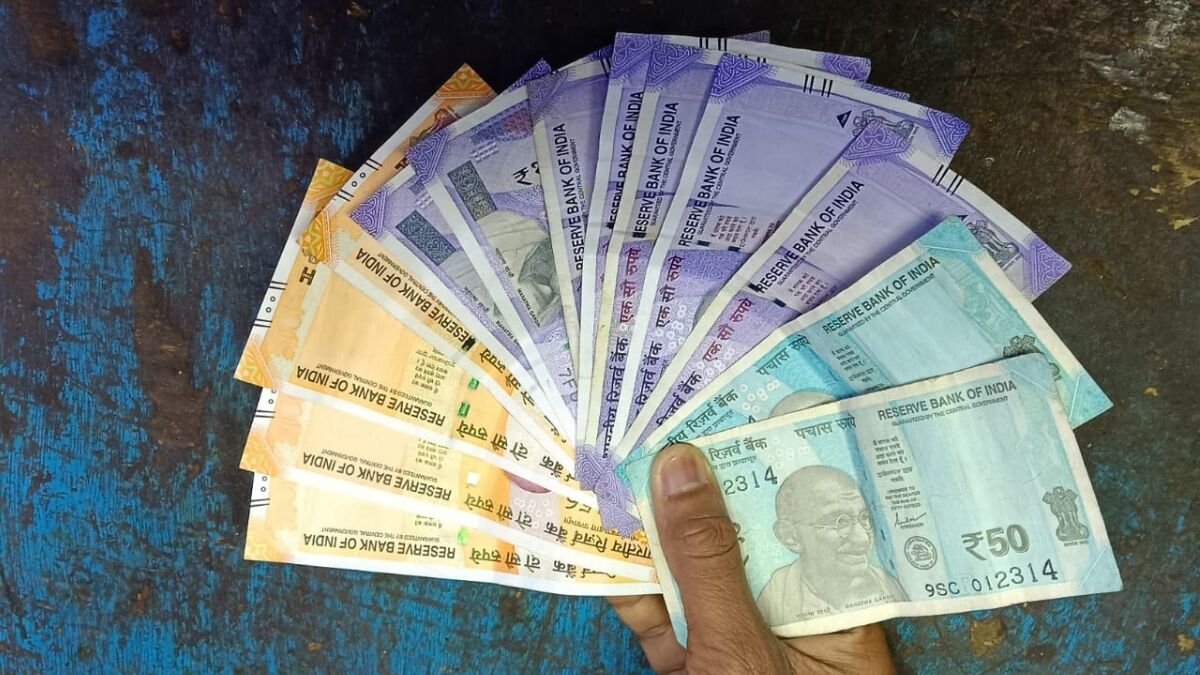
On December 12, the Indian rupee fell to a new all-time low as the lack of a trade agreement with the US continued to depress morale.
The rupee fell from its previous all-time low of 90.4675 on December 11 to 90.55 versus the US dollar. The currency was down 0.1% for the day at its most recent value of 90.4650.
Asia’s worst-performing currency this year is the rupee. Due to severe U.S. tariffs of up to 50% on Indian products, which harmed exports to the country’s largest market and made local stocks less appealing to foreign investors, the INR has dropped by about 6% versus the dollar so far this year.
As discussions continue, Prime Minister Narendra Modi said that on December 11, he had a phone conversation with US President Donald Trump over New Delhi’s request for relief from 50% U.S. tariffs.
“If tariffs remain in place, the rupee’s decline must continue. According to Dhiraj Nim, an economist and FX strategist at ANZ, “the expectations are now one-sided explaining importer demand as exporters stay absent, adding the pressure from portfolio outflows.”
“The RBI will be vulnerable, but in a measured way.”
According to RBI statistics, the currency’s trade-weighted real effective exchange rate, which takes into consideration fluctuations in inflation with trading partners, fell to 97.47 as of October. A value of less than 100 indicates undervaluation.
