
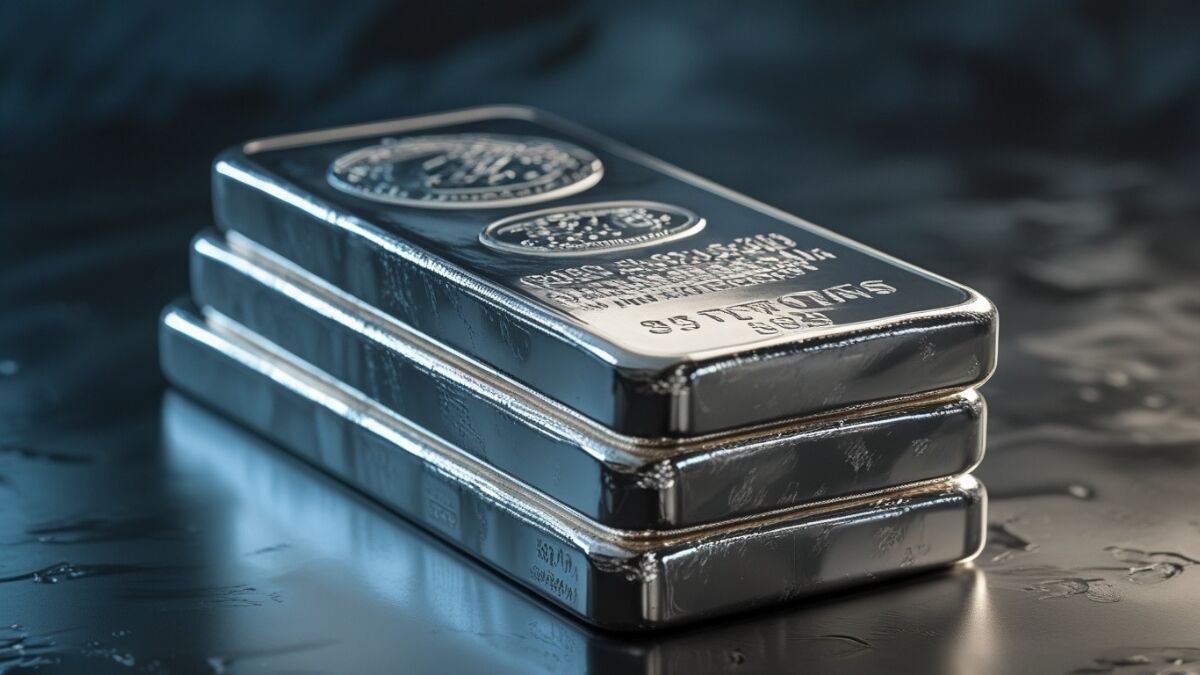
In the realm of commodities, silver has taken center stage due to rising prices, robust industrial demand, and uncertain global economic conditions.
Silver ETFs emerge as a strategic asset
Similar to gold, silver is becoming more widely recognized as a strategic asset class in diversified portfolios as well as a hedge against inflation and currency fluctuations. According to data from Ace MF, most Indian silver exchange-traded funds (ETFs) posted three-year gains close to 70 percent and one-year returns of over 270 percent, highlighting bullion’s strong advance.
As investors seek regulated, liquid exposure to rising prices without the inconveniences of owning real metal, the silver ETF ecosystem has expanded quickly, drawing inflows. You may now transparently and economically participate in the upside of silver through your demat account thanks to a variety of ETFs.
Top silver ETFs lead the rally
With assets of about Rs 28,944 crore and a one-year return of 272 percent, Nippon India Silver ETF leads the race according to the most recent AUM and performance data. The ICICI Prudential Silver ETF comes next, with an AUM of Rs 14,828 crore and a yearly gain of 274%.
With one-year returns clustering around the 270-plus threshold, other sizable funds including HDFC Silver ETF, SBI Silver ETF, and Kotak Silver ETF also had strong performance. The Tata Silver ETF, which reflects increased momentum in silver prices, achieved the biggest year-to-date absolute gain at 708 percent. Similar impressive gains were reported by smaller offerings from DSP, Axis, and UTI, demonstrating how the silver surge has boosted almost the whole ETF category.
📈 Silver ETFs Performance Snapshot
- Top Category: Indian silver ETFs
- 1-Year Returns: Over 270 percent
- Top Fund: Nippon India Silver ETF
- Highest AUM: ₹28,944 crore
- Momentum Driver: Surge in silver prices
- Investor Trend: Rising inflows into silver ETFs
Why silver prices are surging
Silver’s dual status as an industrial and precious metal has increased its allure. Prices have been supported by strong demand from the electronics, solar panel, and other tech industries as well as safe-haven purchases made during uncertain times.
ETFs, which may be traded like stocks on exchanges, remove worries about storage, purity, and safety in contrast to actual silver. Due to their accessibility, the aggregate AUM of gold and silver ETFs has surpassed ₹1 lakh crore, making them popular investment vehicles.
💡 Why Investors Are Choosing Silver ETFs
- No Physical Storage: No purity or safety concerns
- Liquidity: Trade like stocks on exchanges
- Transparency: Regulated and price-linked to silver
- Cost Efficiency: Lower costs than physical silver
- Portfolio Role: Hedge + industrial metal exposure
- Growing AUM: Over ₹1 lakh crore in gold & silver ETFs
Taxation and investor considerations
Market observers believe that the growing number of investors in precious metal exchange-traded funds (ETFs) indicates a move toward regulated, passive products that provide both bullion exposure and transparency.
Taxes may have a significant impact on silver ETF net returns. For tax purposes, silver exchange-traded funds (ETFs) in India are considered listed securities. Gains that are held for longer than a year are considered long-term capital gains and are subject to a flat 12.5 percent tax on the amount over the basic exemption, with no indexation benefits. Selling within a year results in short-term capital gains, which are subject to the investor’s slab rate of taxation.
While digital silver and exchange-traded funds (ETFs) simplify holding periods and tax treatment, physical silver usually incurs long-term capital gains tax at 20% with indexation if held for more than three years.
Conclusion
Strong price movement and investor interest in 2025–2026 have made silver ETFs exceptional performers. They provide an affordable, liquid method of accessing the potential of silver without the need for physical handling. They can be volatile, though, just like any commodity-linked investments, therefore it is preferable to utilize them in a diversified portfolio that fits your investing horizon and risk tolerance. You should allocate 10–15% of your portfolio to commodities.
With more than 20 years of experience demystifying financial concerns, Teena Jain Kaushal is Editor-Personal Finance (Audience Growth) at Moneycontrol. Her goal is to assist readers in making more informed financial decisions, whether it involves understanding taxes, managing assets, or analyzing the most recent insurance trends.
Frequently asked questions
1. Why have silver ETF returns recently exceeded 270%?
Strong industrial demand (particularly from solar and electronics), anxiety about the state of the world economy, and safe-haven purchases all contributed to the spike in silver prices. Silver ETFs profited greatly from this increase because they track silver prices directly.
2. In India, which silver ETF has the most assets under management (AUM)?
According to the most recent statistics, ICICI Prudential Silver ETF has an AUM of about ₹14,828 crore, whereas Nippon India Silver ETF has an AUM of almost ₹28,944 crore.
3. Are ETFs for silver safer than purchasing real silver?
Silver ETFs remove the storage, theft, and purity concerns associated with real silver. Most investors find them more convenient because they are transparent, regulated, and simple to purchase or sell through a demat account.
4. In India, how are silver ETFs taxed?
Listed securities apply to silver ETFs.
Capital gains held over a 12-month period are subject to a 12.5% tax rate without indexation.
Capital gains retained for less than a year are subject to taxation in accordance with the investor’s income tax bracket.
5. How much should investors put into silver exchange-traded funds?
To control volatility while preserving diversity, financial professionals typically advise keeping exposure to commodities, including silver, to 10–15% of the total portfolio.
Disclaimer: This article is for informational purposes only and does not constitute investment advice. Investors should consult a qualified financial advisor before making any investment decisions. Market-linked investments are subject to risk.
