
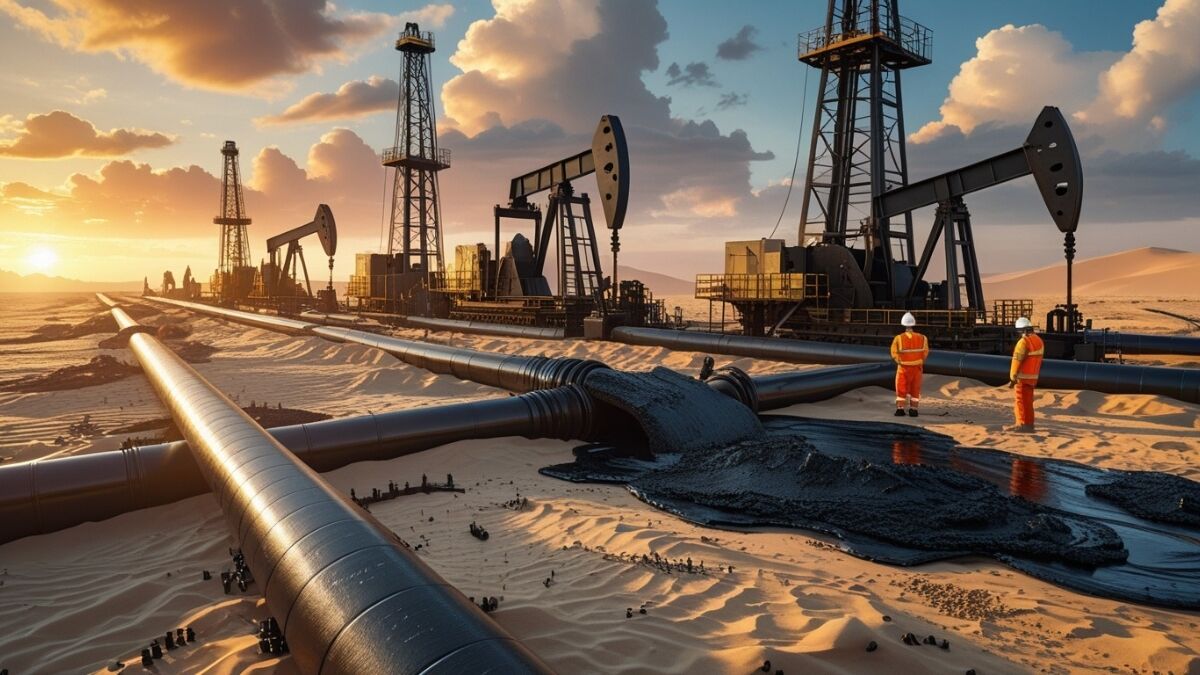
U.S. President Donald Trump is considering measures to stabilize global oil prices amid tensions in the Middle East, including Iran. The administration is weighing options such as releasing strategic oil reserves and easing sanctions on Russia, with potential impacts on energy markets and geopolitics.
According to several sources, U.S. President Donald Trump is thinking about releasing emergency crude reserves and lifting oil sanctions on Russia as part of a package of alternatives meant to stop rising global oil prices during the Iran dispute.
Trump Weighs Measures to Stabilize Oil Prices
In advance of the November midterm elections, when Trump’s fellow Republicans want to maintain control of Congress, the White House is concerned that the spike in oil prices following more than a week of American and Israeli assaults on Iran would harm American companies and consumers.
In an attempt to calm the oil market, Trump told reporters in Florida on Monday that his administration was removing sanctions on some nations, but he would not elaborate. Until the Strait is closed, we will lift those restrictions,” he declared. At a time when the growing Iranian crisis is severely disrupting Middle East oil shipments, easing sanctions on Russia might increase global oil supplies. However, it might also make it more difficult for the United States to deny Russia funding for its conflict in Ukraine.
Trump’s Call with Putin
Later in the press conference, Trump stated that he had a “really excellent call” with Russian President Vladimir Putin regarding the conflict in Ukraine.
A fifth of the world’s oil supply passes through the Strait of Hormuz, a narrow waterway between Iran and Oman. Until authorities can resume the flow of tankers through the Strait of Hormuz, analysts and industry officials have suggested the White House has few effective weapons to swiftly stop rising oil prices.
According to one of the sources who is working with the White House on the initiative, “the problem is options range from marginal through symbolic to deeply unwise.” The White House’s previously announced plan to offer naval escorts and backstop insurance for tankers traveling the Strait of Hormuz has so far failed to significantly increase shipping traffic through the crucial waterway. Trump has made maintaining low fuel costs a key component of his economic pitch to voters, so the volatility in the energy markets comes at a delicate time.
Impact on Transportation and Consumers
Transportation and consumer prices could rise as a result of a sustained increase in the price of oil and gasoline.
🛢️ US Strategic Petroleum Reserve Update
- Purpose: Stabilize global oil prices amid Iran tensions
- Action: Possible release of emergency crude stockpiles
- Countries Affected: US, India, and other G7 nations
- Impact: Could temporarily reduce oil and gasoline prices
- Officials Involved: US Energy Secretary Chris Wright & White House advisers
Stockpiles and Sanction Relief
STOCKPILES According to three people who spoke to Reuters on condition of anonymity, easing sanctions on Russia may involve either broad relief or more focused options that would enable specific nations to purchase Russian oil without risk of U.S. penalties.
In order to help India deal with the loss of Middle Eastern supply, the United States last week granted a temporary waiver that permits it to buy specific Russian oil shipments. A potential combined release of crude oil from strategic reserves has been the subject of separate discussions between U.S. officials in Washington and counterparts from the Group of Seven major nations. Although no decision has been taken, U.S. Energy Secretary Chris Wright acknowledged on Monday that the country is thinking about coordinating sales of oil from the U.S. Strategic Petroleum Reserve. He went on to say that the United States was not thinking about limiting American energy exports in order to keep prices under control.
Other Policy Choices
According to the sources, who spoke on condition of anonymity, Trump’s other policy choices include becoming involved in oil futures markets, canceling some federal taxes, and removing restrictions under the Jones Act, a statute that requires domestic petroleum to be moved only on ships flying the American flag.
Trump minimized the price increase in a Sunday post on his social media site Truth Social, claiming it would only last temporarily and “is a very modest fee to pay for U.S.A.”
Trump stated on Monday that he anticipated lower pricing for American customers as a long-term result of the battle in Iran.
Oil Price Spike and White House Response
Since the U.S. and Israeli strikes started on February 28, the price of gasoline and other fuels has increased, and global crude oil prices have reached levels not seen since mid-2022, briefly reaching $119 per barrel on Monday. According to a previous report by Reuters, the White House requested last week that federal agencies put together recommendations that would lessen pressure on the price of crude and gasoline.
According to the sources, senior White House officials are involved in the discussions, including top adviser Stephen Miller and White House Chief of Staff Susie Wiles.
⚠️ Russia Sanctions & Oil Supply
- Sanctions Relief: Easing may allow certain nations to buy Russian oil
- Geopolitical Risk: Could increase Russia’s revenue amid Ukraine conflict
- Global Supply: May boost oil availability temporarily
- White House Role: Coordinating with G7 and US agencies
- Economic Impact: Potential stabilization of oil prices for US consumers
Frequently Asked Questions
1. Why is Trump thinking about loosening sanctions against Russia?
To boost the world’s oil supply and assist in reducing the spike in oil prices brought on by unrest in the Middle East, especially the crisis in Iran.
2. What impact may a reduction in sanctions have on the conflict in Ukraine?
Because Russia might sell more oil to other nations without worrying about U.S. penalties, it might jeopardize U.S. efforts to lower Russian revenue from the war.
3. What additional steps is the White House taking to keep energy costs under control?
Releasing oil from the United States is one option. Strategic Petroleum Reserve, removing federal taxes, easing some Jones Act limits on domestic shipping, and getting involved in oil futures markets.
4. How important is the Strait of Hormuz to the oil industry?
A vital waterway that transports 20% of the world’s oil is the Strait of Hormuz. There, disruptions have a big effect on oil prices worldwide.
5. How much has the Iranian dispute increased the price of oil?
Fuel and gasoline prices skyrocketed worldwide when crude oil prices momentarily hit $119 a barrel, the most since mid-2022.
Conclusion
Amid geopolitical concerns with Iran, the White House is considering a number of ways to stabilize oil prices, such as releasing strategic oil reserves and relaxing sanctions on Russia. These actions pose geopolitical and economic dangers, especially with regard to U.S. policy toward Russia and the conflict in Ukraine, even though they might offer customers temporary respite.
Disclaimer: This article is for informational purposes only and does not constitute financial or investment advice.
