
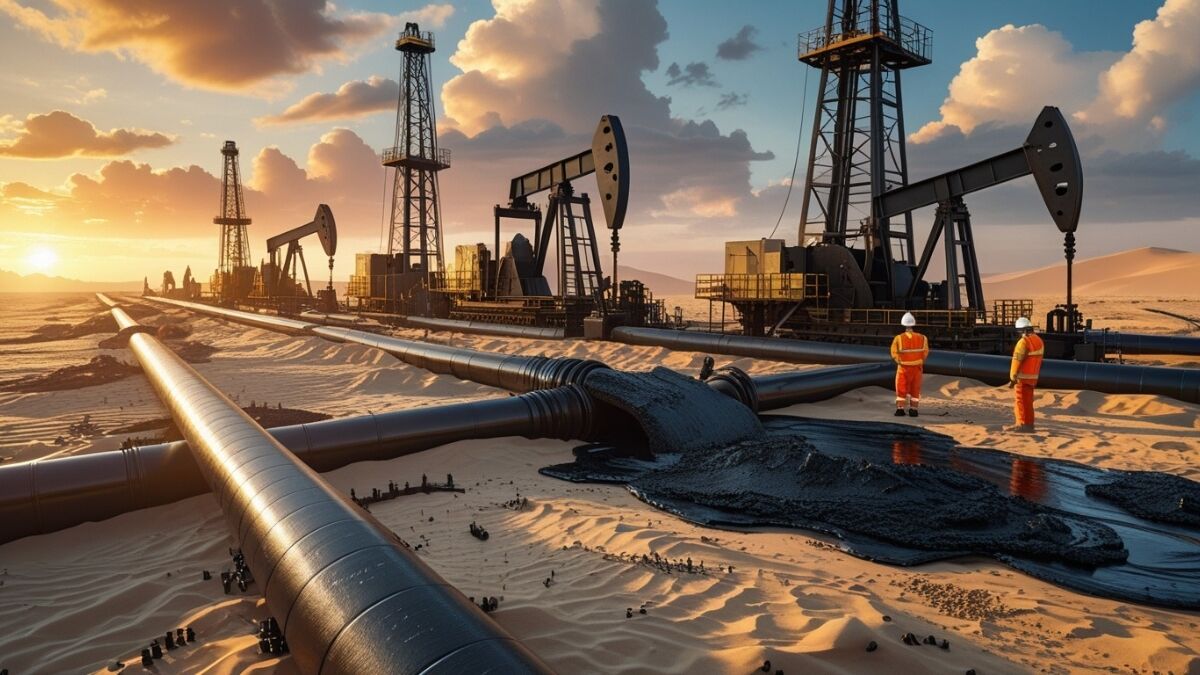
Ukraine has intensified its strategy of targeting Russian energy infrastructure amid shifting global sanctions and rising geopolitical tensions. These developments are reshaping the global energy landscape and escalating pressure between nations.
President Volodymyr Zelenskiy stated that after international oil sanctions on Moscow were relaxed this month due to the Iran war, Ukraine is deploying long-range strikes on energy infrastructure to keep pressure on Russia.
Ukraine Escalates Energy Strikes on Russia
In an attempt to stabilize the world energy markets shaken by the Middle East conflict, Washington this month granted a 30-day waiver for nations to purchase sanctioned Russian oil and petroleum products stuck at sea.
You can find all the information you require on the worldwide energy sector in the Reuters Power Up newsletter. Register here. Washington’s action has drawn criticism from Ukraine’s European partners, who wish to keep up pressure on Russia to put an end to its four-year conflict.
Sanctions Policy Shift and Global Reaction
Zelenskiy pointed out the change in international sanctions policy when asked about the current intensification of Ukrainian attacks on Russian energy infrastructure: “The pressure on Russia in the world is lessening.”
“Therefore, unlike most countries in the world, Ukraine has its own sanctions: its long-range capabilities,” he said in a late-Wednesday interview with Reuters.
⚡ Key Developments
- Sanctions Relaxed: 30-day waiver on Russian oil purchases
- Ukraine Strategy: Long-range strikes on energy infrastructure
- Global Reaction: European partners criticize US move
- Objective: Maintain pressure on Russia
Ukraine’s Strategic Response
Zelenskiy stated that pressure on Moscow must be sustained in light of the recent heavy Russian drone and missile assaults on Ukrainian cities: “If Ukraine does not reply to their attacks, Russia will simply continue the conflict and not even think about pauses.”
According to sources who spoke to Reuters, Russia’s Baltic ports of Primorsk and Ust-Luga paused the loading of crude oil and oil products on Wednesday after Ukrainian drone attacks caused fires that were visible from Finland.
According to three sources, Primorsk started loading fuel and oil again on Thursday, albeit at a reduced capacity due to infrastructural damage.
🚨 Energy Infrastructure Impact
- Ports Affected: Primorsk & Ust-Luga operations disrupted
- Drone Strikes: Long-range attacks over 900 km
- Export Impact: 40% Russian oil export capacity affected
- Global Effect: Rising oil prices above $100/barrel
Scale of Disruption
In a statement on Wednesday, Ukraine’s SBU security service announced that its long-range drones had attacked the Ust-Luga facility by flying more than 900 kilometers (560 miles) from its Alpha Special Operations Center.
Based on market data, Reuters calculated on Wednesday that the raids by Ukrainian drones, a disputed attack on a major pipeline, and the seizure of tankers had stopped at least 40% of Russia’s oil export capacity.
Russia, the second-largest oil exporter in the world, has never experienced such a severe disruption to its oil supplies. It struck Moscow at the same time that the Iran war caused oil prices to rise above $100 per barrel.
Russia’s Response
Russia’s monopoly on oil pipelines According to an Interfax news agency report on Thursday, Transneft would attempt to reroute oil exports from the Baltic Sea ports destroyed by drone assaults.
Disclaimer: This content is for informational purposes only and does not constitute political or investment advice.
