
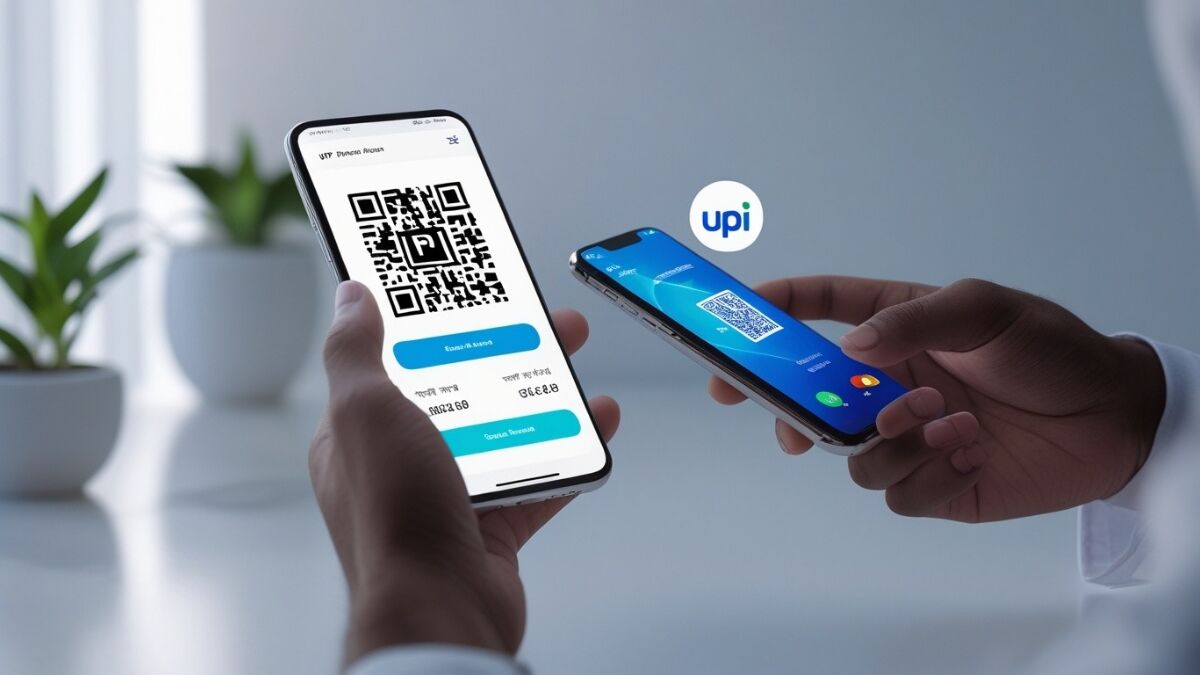
According to the most recent statistics released by the National Payments Corporation of India (NPCI), the Unified Payments Interface (UPI) platform reached new heights in 2025, with record transactions in December in terms of both value and volume. In 2025, the platform also reported its biggest yearly transaction volume.
In 2025, UPI handled 228 billion transactions totaling ₹300 trillion, which was 33% more than in 2024 and 21% greater in terms of value.
December 2025 Records
The platform executed a record 21.6 billion transactions worth ₹30 trillion in December 2025, up 20% in value and 29% in volume from the previous year. It generated an average daily transaction volume of ₹90,217 crore and an average daily transaction count of 698 million throughout the month.
According to analysts, the consistent rise in monthly transactions is a reflection of the fundamental shift in consumer behavior, with UPI becoming the preferred payment method in both metropolitan areas and smaller villages.
Industry Expert Insights
According to Anand Kumar Bajaj, creator and managing director of the payments platform PayNearby, “UPI has confirmed its position as the backbone of daily business, allowing frictionless payments from big cities to the last mile in Bharat (India’s rural towns and villages).”
He said, “NPCI’s recent commitment to improve UPI Autopay with a dedicated mandate-management interface is a critical step toward increasing transparency, user control, and simplicity of recurring payments across subscriptions, utilities, and digital services.”
Consolidated UPI Platform
NPCI introduced a consolidated platform last week that enables customers to check and control their UPI autopay or standing instructions in one location. The platform’s goal is to assist users in tracking and spotting “dark patterns,” which are particularly used by e-commerce sites that coerce consumers into complying with repeated demands. By December 31, 2025, all UPI members were required to adhere to the standards.
The Subsequent Stage of Development
By 2026, the extension of UPI beyond smartphone-native urban consumers to tier-3 towns and beyond is anticipated to drive transaction growth. According to experts, current efforts and developments like trust-first onboarding, biometric authentication, and vernacular conversational interfaces will boost adoption.
The use of UPI should shift from mostly low-value transactions to “more significant, higher value transactions” as a result of deeper adoption, broader QR (quick response) acceptance, growing consumer trust, and larger average ticket sizes.
Future Payment Trends
However, with a larger base and a slower rate of growth in terms of both transaction volume and value, market participants anticipate that the next stage of growth will come not only from an increase in cross-border payments but also from changing customer behavior and personalized payment patterns.
“Payments will transition from being quick to being intelligent in 2026,” said Akash Sinha, CEO and co-founder of Cashfree Payments. According to him, “novel payment behaviors including conversational and agentic payments, biometric verification, and intelligent cross-border flows that comprehend purpose rather than responding to transactions would propel development.” He said that “AI will migrate from the background to the core, streamlining checkout experiences into intent-led confirmations while managing complexity discreetly.”
