
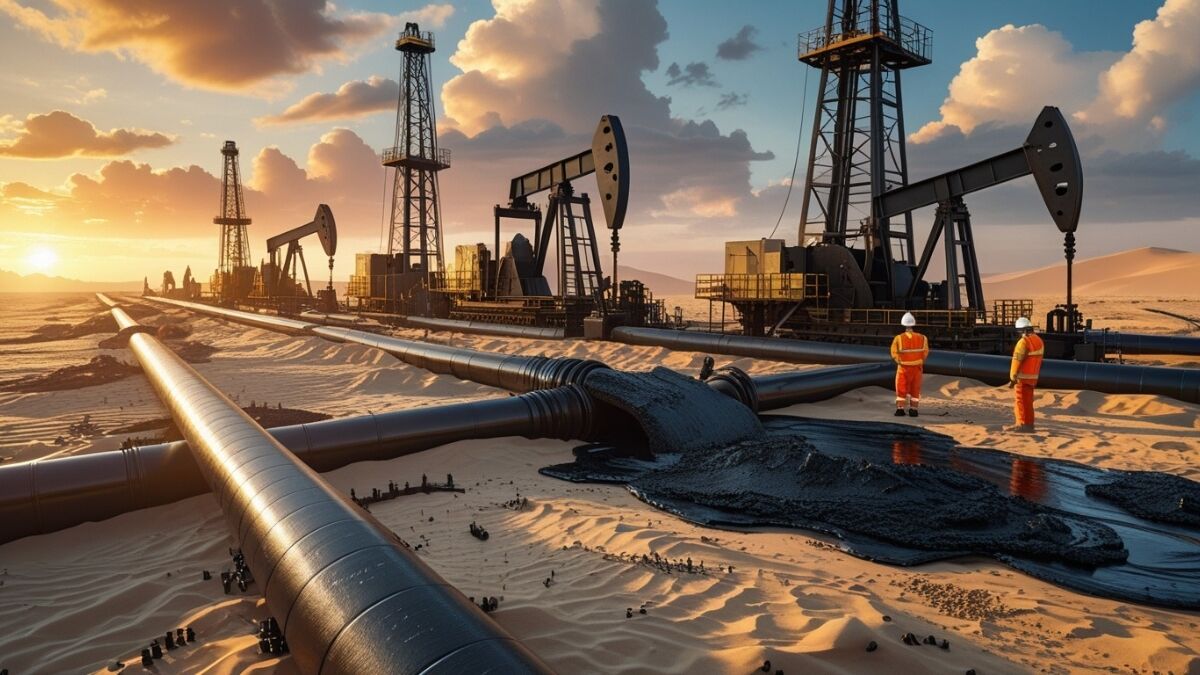
Global energy markets are facing uncertainty as geopolitical tensions in the Middle East threaten critical oil shipping routes. In response, the United States is considering temporary policy adjustments that could allow more Russian oil shipments and help stabilize global supply.
In order to calm the world’s energy markets during the current turmoil in the Middle East, US Treasury Secretary Scott Bessent suggested that Washington may temporarily relax some limits on Russian oil shipments and permit India to continue buying.
US Considers Relaxing Russian Oil Restrictions Amid Market Turmoil
In an interview with Fox Business, Bessent stated that when global supply problems drove up prices, the US had previously given India some leeway. The Indians had performed admirably. This autumn, we had requested that they cease purchasing sanctioned Russian oil. They did, according to Bessent.
According to him, India had first intended to substitute American oil for such shipments. He said, “They were going to replace it with US oil.”
Temporary Flexibility Granted to Avoid Oil Shortages
However, Washington permitted a temporary modification to avoid shortages due to the disruption of international oil shipments and the skyrocketing insurance costs for tankers passing through the Strait of Hormuz.
“We have given them permission to accept the Russian oil in order to reduce the temporary oil gap throughout the world,” Bessent stated.
🛢️ Global Oil Market Pressure
- Key Issue: Middle East tensions disrupting oil shipments
- Main Route: Strait of Hormuz shipping corridor
- Market Impact: Rising oil prices and tanker insurance costs
- US Action: Considering temporary easing of Russian oil sanctions
- Goal: Stabilize global energy supply
- Major Buyer: India remains a key importer of discounted oil
Oil Prices Rise as Strait of Hormuz Risks Increase
The remarks coincide with a spike in oil prices due to concerns that Iranian tensions could impede shipments along the small waterway that connects the Persian Gulf to international markets. The growing expense of war-risk insurance has reportedly caused the delay of dozens of tankers.
President Donald Trump has already made preparations to increase government-backed insurance coverage for oil cargoes passing through the Gulf area in order to stabilize maritime energy trade. It seeks to reassure shipping businesses and insurers that, in spite of security worries, shipments would stay safe.
Possible Unsanctioning of Oil Cargoes
Additionally, Bessent proposed that Washington may lift sanctions on Russian petroleum that is currently in route in order to release more supplies. He declared, “We may unsanction other Russian oil.” He pointed out that constraints are currently causing a significant amount of sanctioned crude to become stuck on the water.
Bessent stated, “There are hundreds of millions of sanctioned barrels of sanctioned crude on the water.” He said that loosening limitations on certain shipments may immediately increase supplies. Essentially, Treasury can generate supply by unsanctioning them. And we are investigating that,” he stated.
⚠️ Key Policy Moves to Stabilize Oil Markets
- Temporary Sanction Relief: Possible easing on Russian oil shipments
- Insurance Support: US-backed coverage for Gulf shipping routes
- Supply Strategy: Release sanctioned oil already at sea
- Market Goal: Prevent global oil shortages
- India’s Role: Major importer helping maintain supply balance
- Geopolitical Risk: Strait of Hormuz tensions affecting shipments
India’s Role in the Global Oil Market
As the situation develops, Bessent continued, the administration plans to take further actions to stabilize the oil markets. He declared, “We are going to maintain a rhythm of announcing steps to bring relief to the market during this struggle.”
Since the imposition of Western sanctions following Moscow’s invasion of Ukraine in 2022, India has been among the biggest consumers of cheap Russian petroleum. Diverse supply sources are necessary for both domestic demand and energy security, according to New Delhi.
Frequently Asked Questions
1. Why is the United States thinking about loosening its sanctions on Russian oil?
As Middle East tensions threaten oil supply channels and drive up prices, the US is thinking about loosening some restrictions on Russian oil in order to calm the world’s energy markets.
2. For what reason was India permitted to keep purchasing Russian oil?
India was granted temporary flexibility due to a scarcity in the oil market caused by global supply disruptions and shipping hazards, according to US Treasury Secretary Scott Bessent.
3. What impact are tensions in the Middle East having on the world’s oil supply?
Increased hazards for oil shipments crossing the Strait of Hormuz due to escalating tensions in the Middle East have resulted in higher insurance rates and delays for oil tankers.
4. How will the US government contribute to the stabilization of the oil markets?
To promote safe marine trade, the Trump administration has suggested extending government-backed insurance coverage for oil cargoes passing through the Gulf.
5. Since 2022, why has India been purchasing Russian crude oil?
Following Western sanctions following Russia’s invasion of Ukraine, India expanded its purchases of Russian oil, enabling it to fulfill its expanding energy needs by purchasing discounted crude.
Conclusion
Growing worries about interruptions to the world’s energy supply amid escalating tensions in the Middle East are highlighted by the potential for the US to loosen restrictions on Russian oil. Permitting India to keep making little purchases could aid in stabilizing the oil market and averting a significant increase in world prices.
Policymakers are anticipated to implement additional measures to preserve the stability of the energy market as the geopolitical environment changes.
Disclaimer: This article is intended for informational and news reporting purposes only. Policy decisions and geopolitical developments may change based on evolving international events.
