
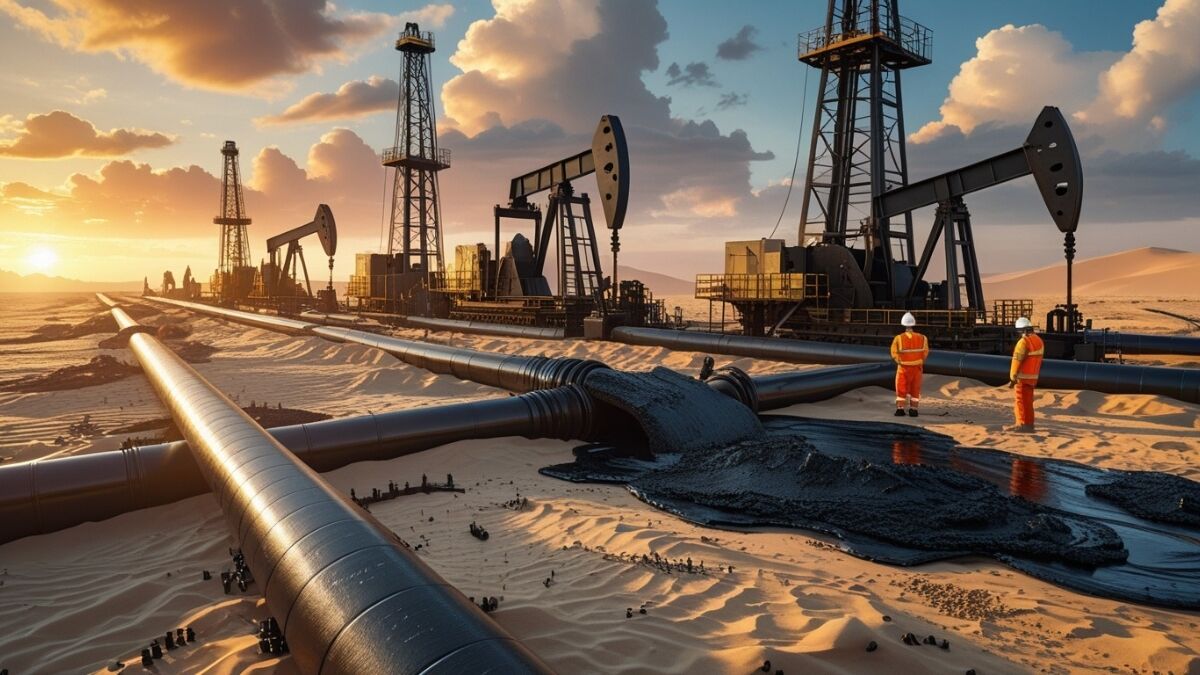
Tensions near the Strait of Hormuz are causing supply disruptions that are putting tremendous pressure on the world’s oil markets.
Goldman Sachs, an investment firm, has increased its projection for the price of crude oil, predicting that US WTI crude may reach $83 and Brent crude will reach $90 per barrel in the fourth quarter. The deepening supply shock brought on by the Persian Gulf’s oil flow restrictions is reflected in this adjustment.
This vital channel, which normally transports almost one-fifth of the world’s oil commerce, has seen a sharp decline in oil supplies due to the current US-Iran confrontation. Global supply has consequently become much more constrained; estimates indicate that output losses could reach 14.5 million barrels per day. As a result, the world’s oil reserves are being rapidly depleted; in April, stockpiles fell at unprecedented rates.
The disparity between supply and demand is getting worse. Previously surplus markets are now anticipated to experience a deficit of around 9.6 million barrels per day during the current quarter. With Brent crude surpassing $100 per barrel, oil prices have already increased by about 50% since late February, stoking concerns about inflation and weakening global economic development.
The oil market is rapidly rebalancing, according to other financial firms like Morgan Stanley and JPMorgan Chase. The burden of adjustment is moving to inventory drawdowns and decreased demand due to limited spare production capacity and restricted access to Gulf exports.
Analysts caution that such large drops in inventory are unsustainable. Demand will have to drop as a result of high prices, or supply must quickly rebound. Risks to oil prices remain high even if global tensions slightly decrease, particularly if disruptions last longer than anticipated.
All things considered, the oil market is about to enter a fundamentally tight phase where even little supply shocks have the potential to cause significant price swings. This scenario emphasizes the wider economic effects of protracted interruptions and the susceptibility of global energy systems to geopolitical threats.
