
Iran’s oil infrastructure is under increasing strain as export regulations tighten, compelling it to use unconventional storage techniques. Nearly 90% of Iran’s oil shipments pass through Kharg Island, the country’s main conduit for crude exports, which is at the heart of the problem. Sanctions and geopolitical tensions have hindered export shipments, causing the facility to quickly reach its storage capacity.
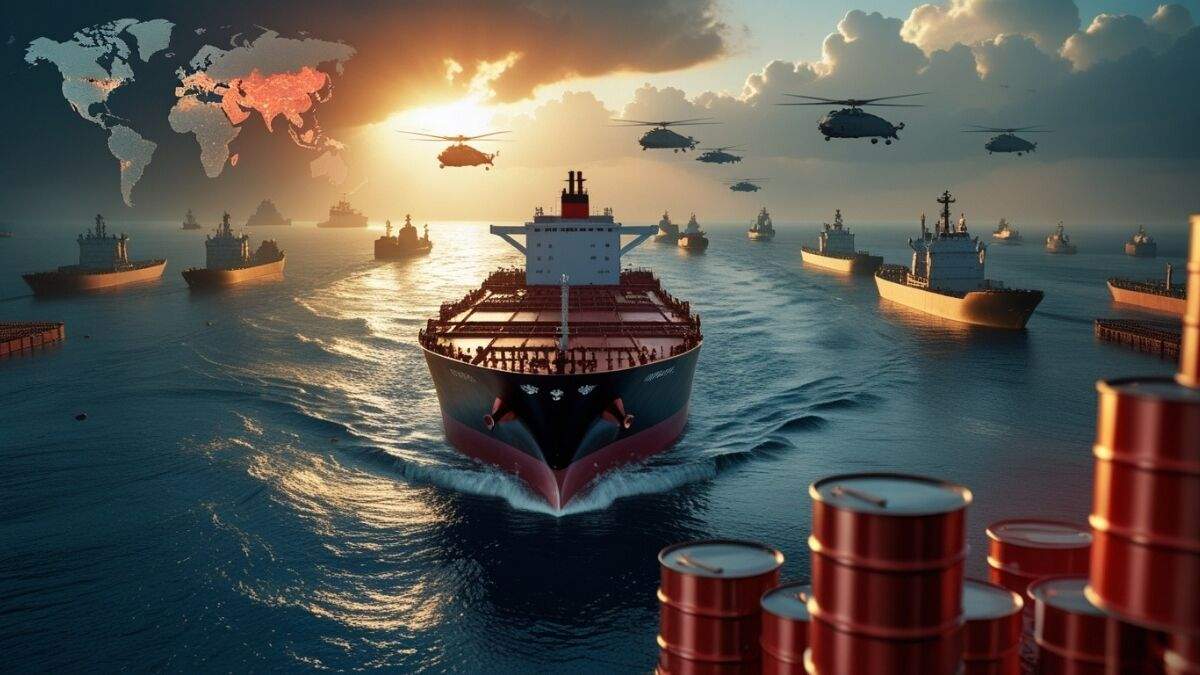
Iran has reactivated the aging oil tanker M/T Nasha and transformed it into a floating storage facility in order to handle the increasing surplus. Built in 1996, this enormous crude carrier is being utilized to store extra crude offshore since onshore capacity is almost depleted. With inflows continuing at about 1–1.1 million barrels per day, current estimates indicate that just about 13 million barrels of storage space left, suggesting that capacity could be fully utilized within weeks.
This scenario demonstrates a serious mismatch between supply and demand. Export difficulties, exacerbated by regional instability and U.S. sanctions, have considerably reduced shipments even though oil production is still ongoing. Although floating storage provides short-term respite, experts caution that it is more costly and limited in scope than land-based facilities.
For Iran’s oil industry, the stakes are huge. The nation might have to shut down oil wells if storage capacity is exceeded. Such shutdowns may harm reservoirs and lower long-term production potential, which could have long-term negative effects on the economy. On the other hand, continued production runs the danger of overtaxing infrastructure and causing more operational disruptions.
The strategic significance of Kharg Island makes this problem much more urgent. Iran’s economy and its capacity to supply international markets are directly impacted by any traffic jams or disturbances at the port. Oil loading operations have persisted despite continuous tensions, highlighting Iran’s attempt to sustain shipments under duress.
All things considered, Iran’s dependence on temporary fixes like floating storage is a reflection of more serious structural issues with its oil export industry. The nation may have to choose between reducing production and running the danger of long-term harm to its energy infrastructure in the absence of a solution to export restrictions.
