
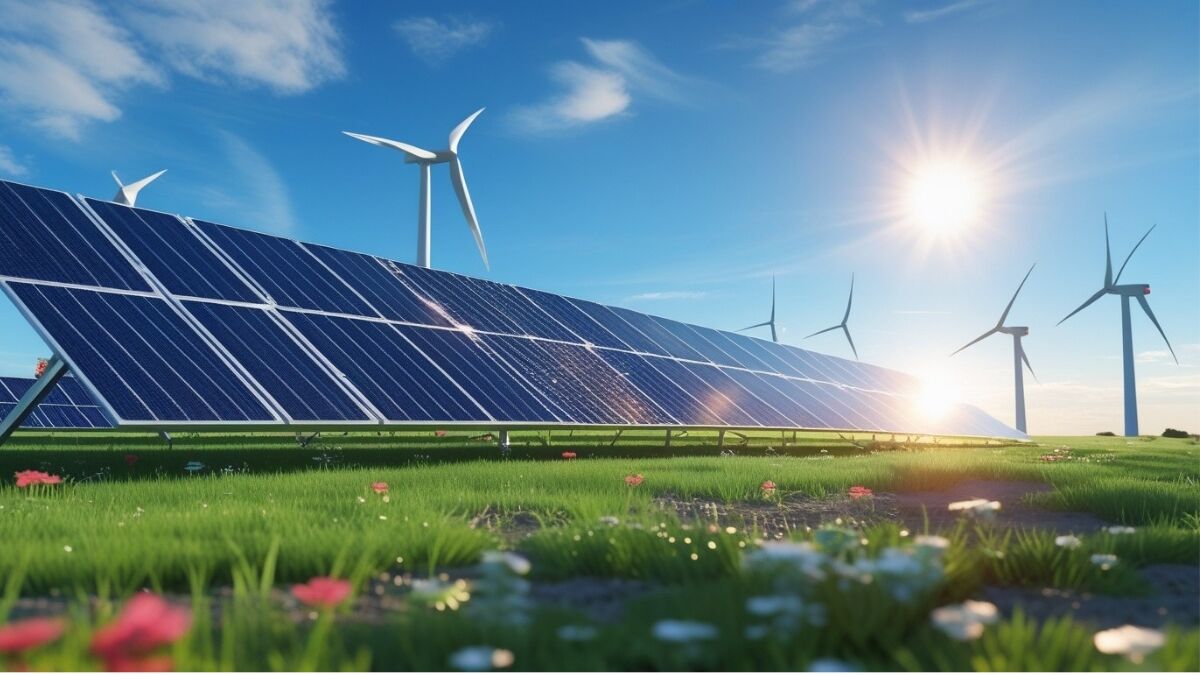
Although there are obstacles, the world’s transition from fossil fuels to clean energy is quickening. Renewable energy has grown at an unprecedented rate in recent years, with both developed and emerging nations setting new records for solar and wind installations.
The International Energy Agency reports that additions to renewable capacity reached around 800 gigawatts, making clean energy the main driver of the increase in worldwide power. Notably, the share of electricity output from renewable sources has surpassed that of coal, marking a historic shift.
Cost advantages play a major role in this momentum. Solar and wind energy are becoming more affordable than fossil fuels in many areas. Pakistan and other nations with energy problems have quickly embraced rooftop solar, greatly lowering reliance on pricey imports. In a similar vein, countries in Europe are enjoying reduced electricity costs as a result of their clean energy initiatives.
However, conflicts in oil-producing regions and other global energy shocks continue to hamper this shift. Fossil fuel delivery routes are vulnerable, as evidenced by the recent tensions around the Strait of Hormuz. These situations make the cause for energy independence through renewable sources stronger, but they also present financial challenges. Building renewable infrastructure is more expensive due to supply chain disruptions, rising inflation, and increased interest rates.
Global trade disruptions also impact critical elements needed in clean technologies, such as copper, cobalt, and lithium, increasing the cost of renewable energy projects. Due to the capital-intensive nature of renewable energy projects and their sensitivity to interest rate increases, financing issues further exacerbate the strain.
Despite these challenges, there is a significant movement in public opinion and political support for clean energy. Recognizing that reliance on fossil fuels causes recurrent economic instability, governments around the world are pushing the adoption of renewable energy. In the upcoming years, nations like Indonesia and South Korea have made bold plans to greatly increase their capacity for sustainable energy.
In the end, two conflicting factors are influencing the shift to renewable energy: the need for energy security and the financial burden brought on by international problems. Long-term trends obviously point to a cleaner, more sustainable energy future, even though short-term setbacks may impede progress.
