
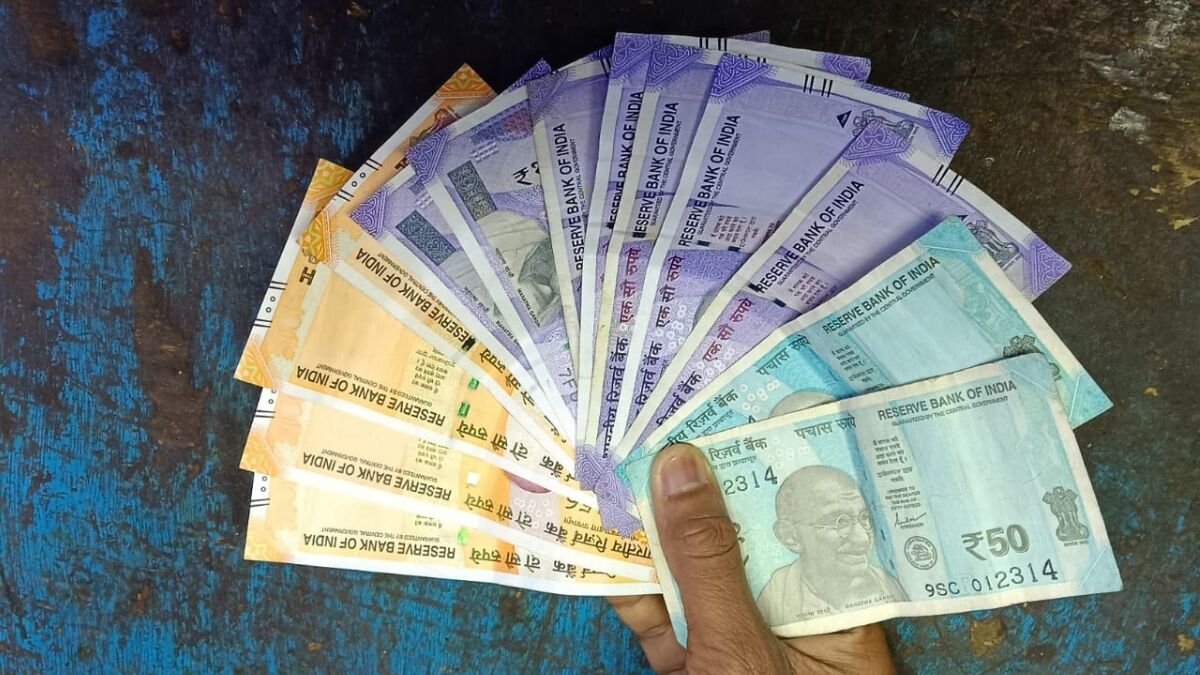
A salary increase doesn’t always guarantee financial comfort. Many people continue to struggle due to changing spending habits and financial patterns.
Many people still experience financial hardship even after receiving a pay increase, despite the common expectation that it will improve their financial comfort. Rather than just income, this occurs as a result of shifts in financial structure and spending patterns.
Why Salary Hikes Don’t Always Improve Financial Health
Expenses typically climb in tandem with or more quickly than income. Individuals progressively improve their way of life by increasing their expenditures on better housing, food, technology, and convenience services. Although these changes are gradual and difficult to observe, they greatly increase overall cost.
💸 Financial Stress After Salary Hike
- Higher Expenses: Lifestyle upgrades increase costs
- Fixed Costs: Rent, EMIs, subscriptions rise
- Low Savings: Extra income gets consumed
- Lifestyle Inflation: Hard to downgrade habits
- Unexpected Costs: Travel, medical, events
Rising Expenses and Lifestyle Changes
The increase in fixed expenses is one of the main causes of financial distress. Rent, EMIs, insurance, and subscriptions are among the expenses that consume a greater percentage of income. These are more difficult to cut than variable expenses, which reduces monthly disposable income.
Savings suffer as well. After a rise, people anticipate saving more, yet more expenses frequently follow. Because of this, despite increased wages, only a tiny percentage of income is available for investments and savings, which slows financial progress.
Impact of Fixed Costs and Reduced Savings
Another problem is lifestyle inflation. When someone improves their lifestyle, it becomes essential to retain it, which increases the pressure to maintain or raise income levels. Stress and less financial flexibility may result from this.
Understanding Lifestyle Inflation
📊 Smart Money Management Tips
- Budget Rule: Divide income into savings, expenses, investments
- Track Spending: Monitor monthly expenses regularly
- Control Lifestyle: Avoid unnecessary upgrades
- Emergency Fund: Prepare for unexpected costs
- Discipline: Stick to long-term financial goals
Financial disruptions might also result from unforeseen costs like travel, medical issues, or festivities. Due to the fact that these are not scheduled on a monthly basis, people frequently have to take money out of their savings, which puts more strain on their finances.
Unexpected Expenses Add Pressure
Effective financial preparation is crucial to handling this circumstance. Maintaining balance can be aided by dividing income into three fixed categories: investments, savings, and expenses. Regular spending monitoring also guarantees improved financial management and avoids needless overspending.
Disclaimer: This content is for informational purposes only and does not constitute financial advice. Individuals should consult financial experts for personalized planning.
