
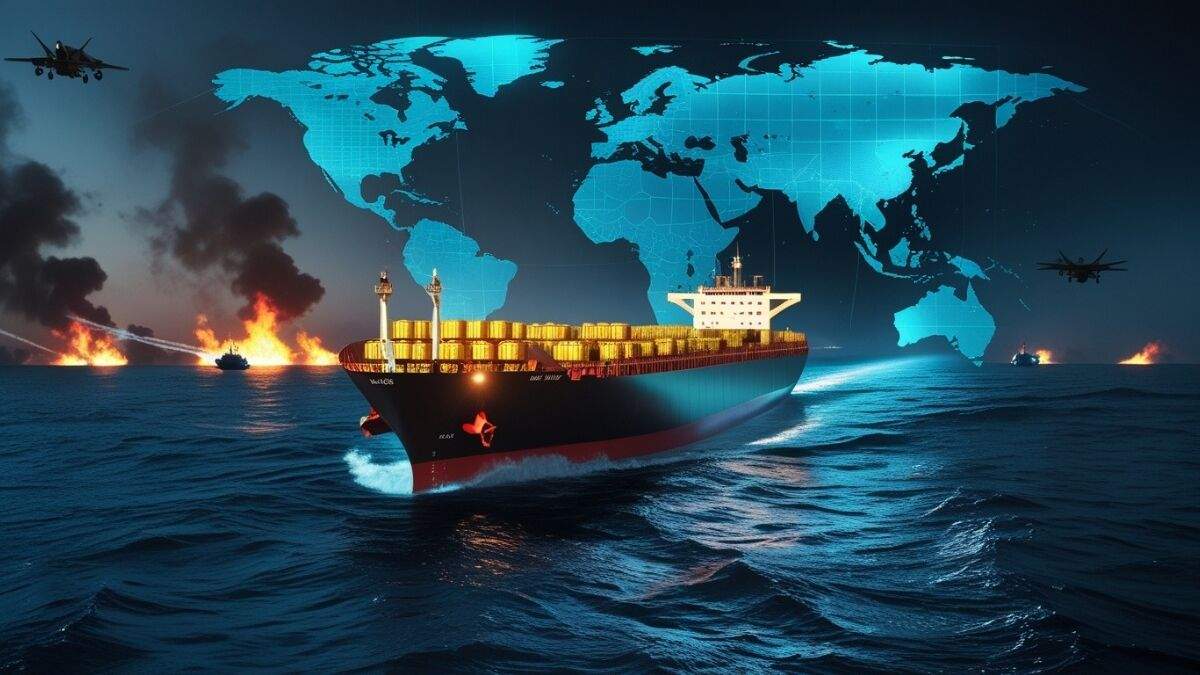
The United States has strongly warned international maritime firms not to pay Iran for safe passage over the Strait of Hormuz. Regardless of whether the payments are made in cash, digital assets, or indirect forms like donations or barter agreements, the Office of Foreign Assets Control claims that they could result in sanctions.
The warning follows the disruption of one of the most vital energy routes in the world and coincides with rising tensions between the United States and Iran. This small waterway typically handles about 20% of the world’s oil and gas traffic. However, because to military concerns with the United States and Israel, Iran has limited access and even offered alternate routes close to its shore at “toll-like” costs.
On April 13, the United States responded by imposing a naval blockade, which stopped Iranian oil exports and increased economic pressure on Tehran. Numerous commercial ships have apparently been forced to turn around since then, underscoring the increasing impact on international commerce flows.
Mistrust persists despite a shaky ceasefire that has been in effect since early April. Donald Trump expressed concerns about Iran’s leadership coherence and rejected Iran’s most recent offering for negotiations, calling it inadequate. Several international actors are encouraging both parties to uphold peace and reopen the strait while diplomatic attempts continue through middlemen like Pakistan.
The continuing dispute is already having an impact on international markets, causing supply chain disruptions and rising fuel prices. Experts caution that protracted unpredictability in the area might put additional pressure on the world economy, particularly in countries that rely heavily on oil.
